coaching
-
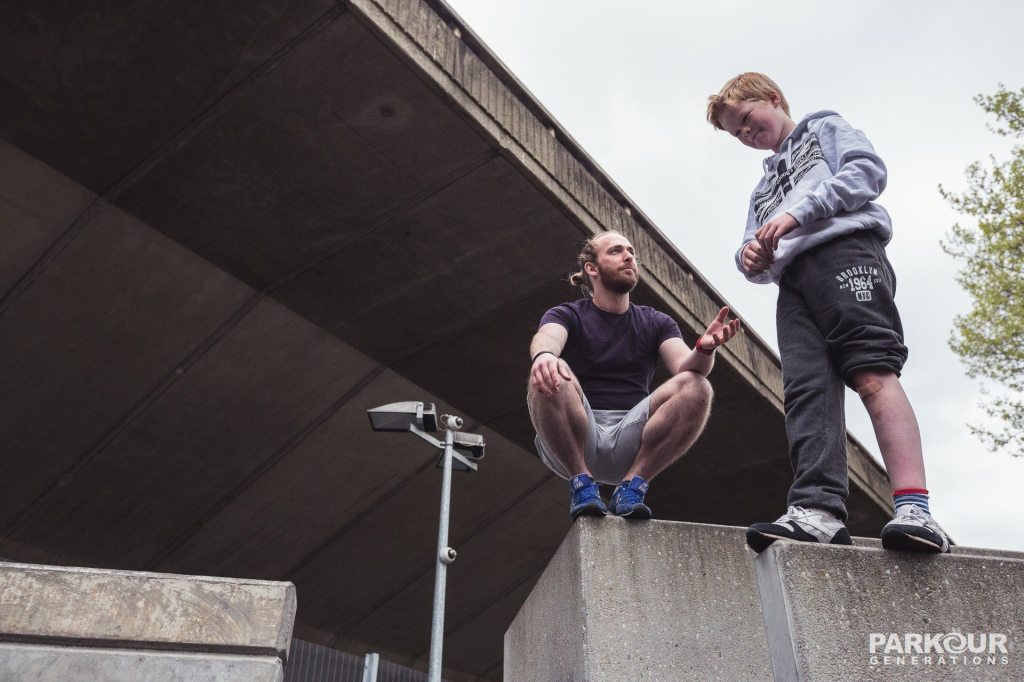
In many coaching contexts, the default role is that of the controller. The coach selects the task, demonstrates the solution, manages the risk, and corrects deviations. This approach is efficient and reassuring, particularly in group settings. But parkour did not emerge from being shown what to do – it emerged from individuals engaging directly with…
-
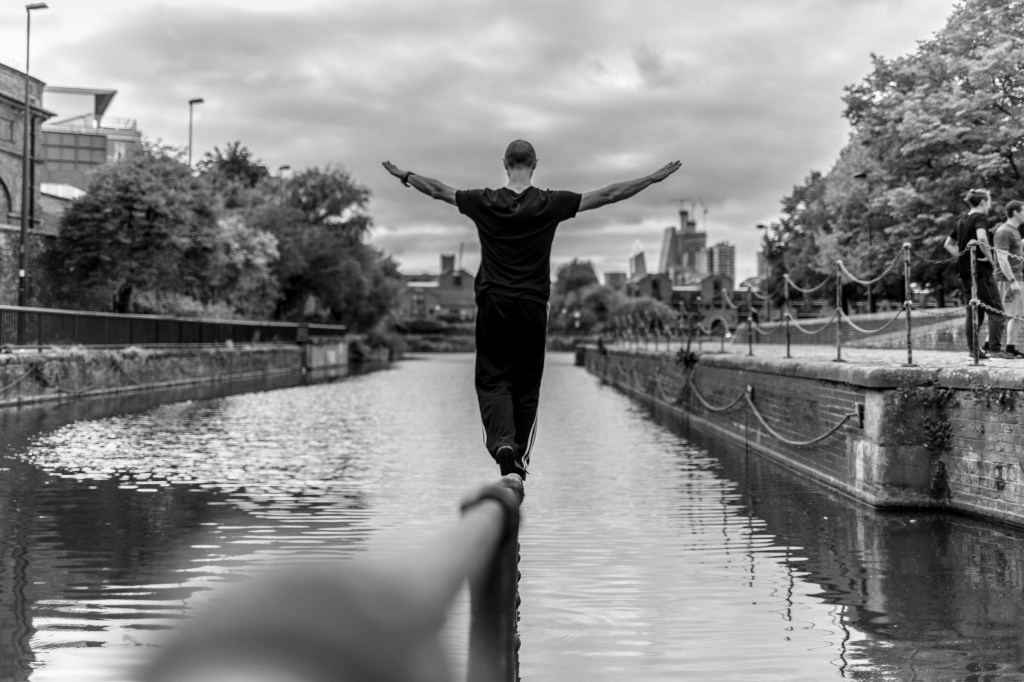
In parkour, adaptability is not an advanced skill to be layered on later. It is the foundation. Movement that cannot survive variation is not yet robust. Variable practice exposes weaknesses early, when they can still be addressed, rather than allowing them to remain hidden behind repetition.
-
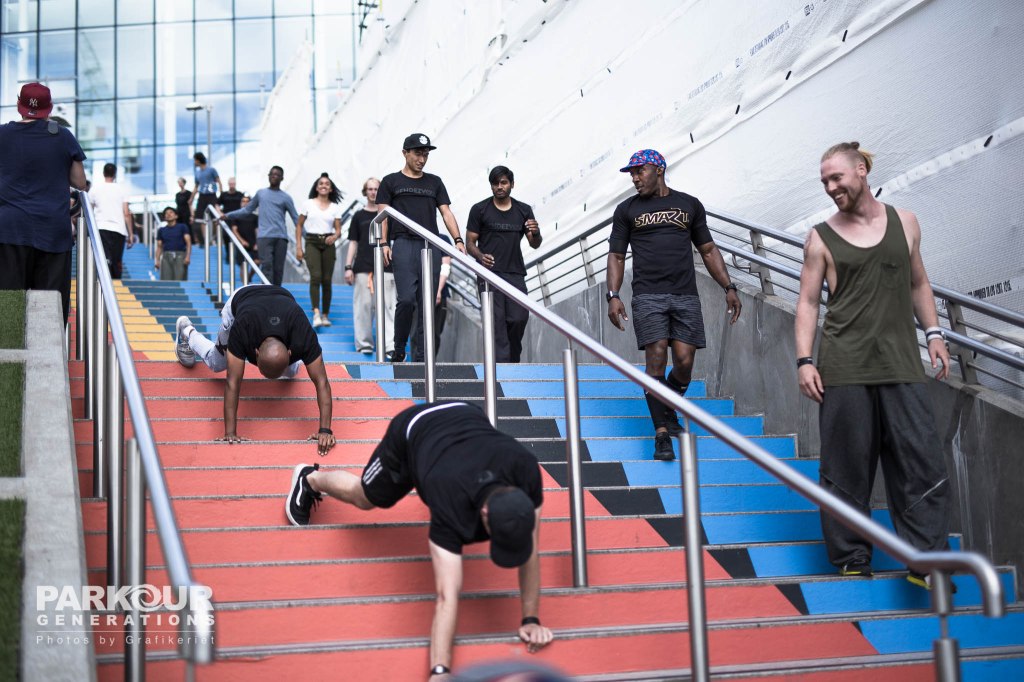
In the early days we had a basic rule in training – if there is more than one way forward, always take the harder of the two paths. The discipline was never meant to make life easier by avoiding difficulty. It was meant to make people more capable of meeting it.
-
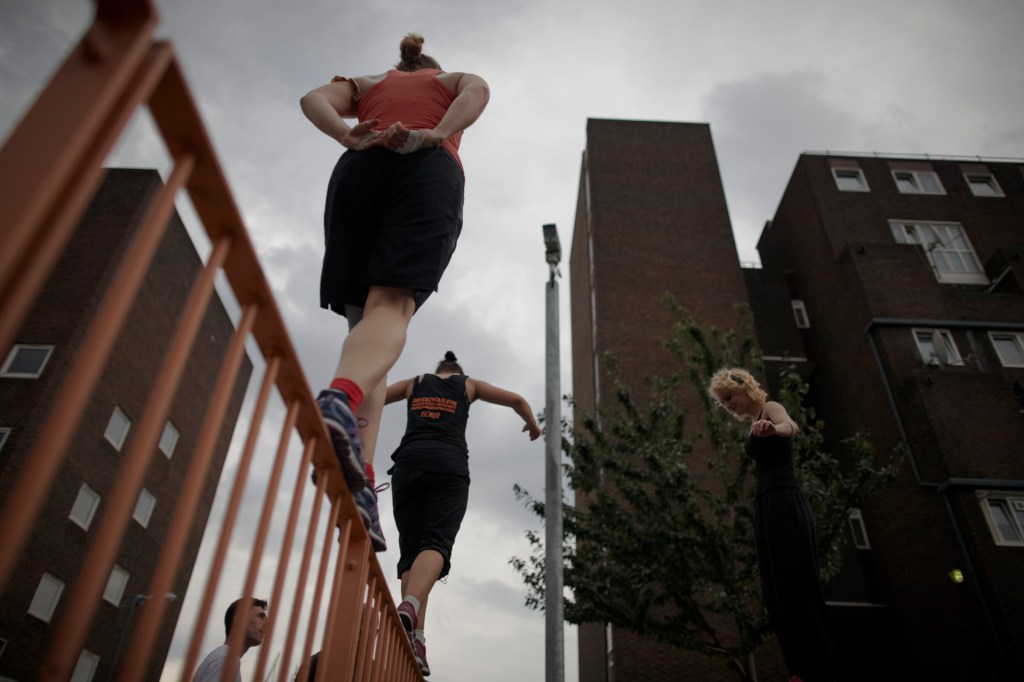
Parkour, when practised primarily outdoors, has such a profound impact beyond movement itself. It teaches people to engage with the world rather than withdraw from it, to see obstacles not as hazards to avoid but as features to understand and negotiate. In this sense, parkour becomes a form of environmental literacy.
-

There is a crisis happening in parkour coaching. It isn’t dramatic. It isn’t dangerous. It isn’t even intentional. It’s quiet, almost imperceptible. Slow, steady, and—if we’re not careful—irreversible…
-
3 things every coach of a physical ativity should carry at all times.
-
One of the topics we focus on in our education programme, ADAPT, is the importance of analysing and developing your own philosophy of coaching. Coaching is more than just passing on knowledge and information, and it’s far more than just facilitating training sessions or activating participants. Coaching is a high-level human interaction skill, and as…
-
CUE-JUTSU #6 When it comes to cueing for coaching movement you’ve got to get it right. And there’s a lot to get right! I’ll always teach new coaches the C6 rule – and ask them to check their cueing against these 6 simple standards. So when cueing, ask yourself the following six simple questions…
-
Occasionally we get asked why the ADAPT Qualifications are so physically demanding, when in principle they are only coaching qualifications? It’s a fair question, I suppose, and one the creators of ADAPT thought about long and hard when the system was developed around 5 years ago now. And while a small part of me does think…
-
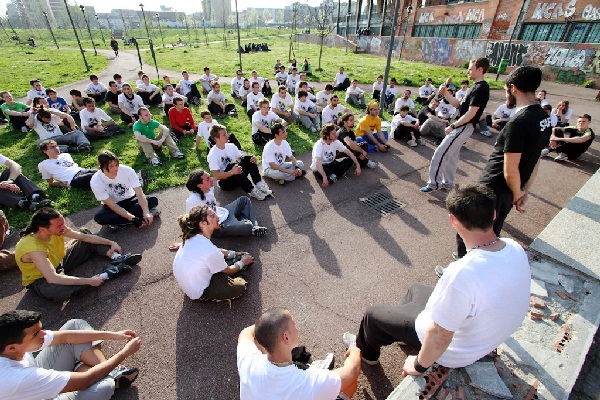
We live in a strange world. If you want to be a doctor, or a lawyer, or a shaper of people’s minds in a school, there are considerable and rigorous processes to go through to qualify to do those things – and rightly so, as such individuals are putting themselves in a position of responsibility…
-
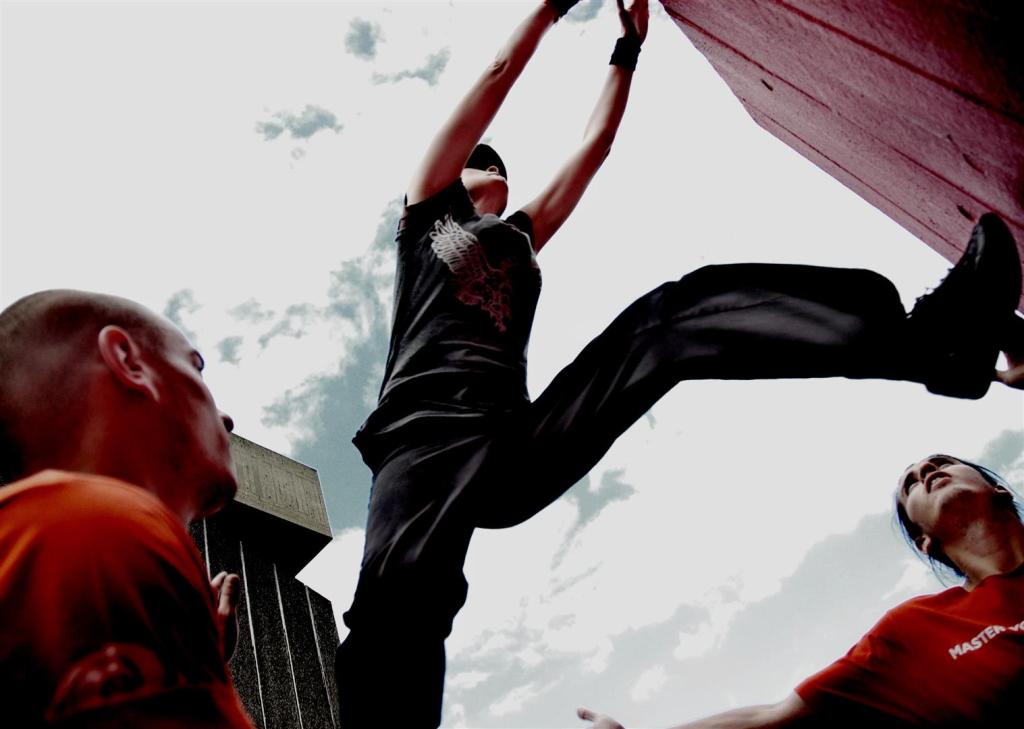
Coaching is a hard thing to do well. That’s something we’ve learned over the last decade or so of passing on the principles, methods and concepts of parkour to tens of thousands of people across every continent on the planet. It’s something very close to our hearts and as we’ve seen the global network of…
 Dan Edwardes