freerunning
-
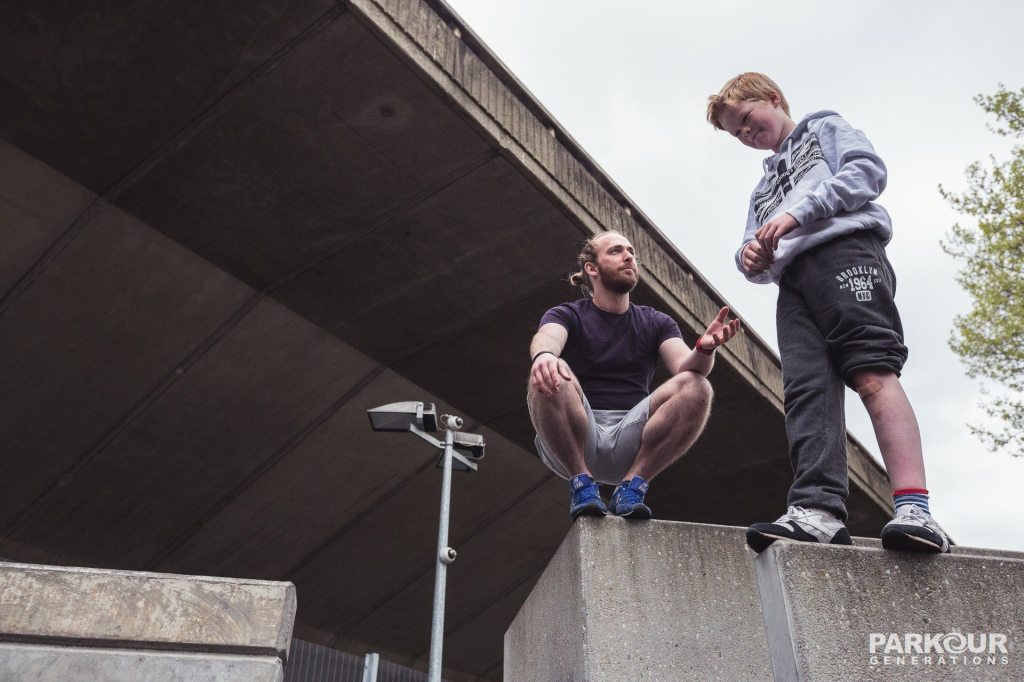
In many coaching contexts, the default role is that of the controller. The coach selects the task, demonstrates the solution, manages the risk, and corrects deviations. This approach is efficient and reassuring, particularly in group settings. But parkour did not emerge from being shown what to do – it emerged from individuals engaging directly with…
-
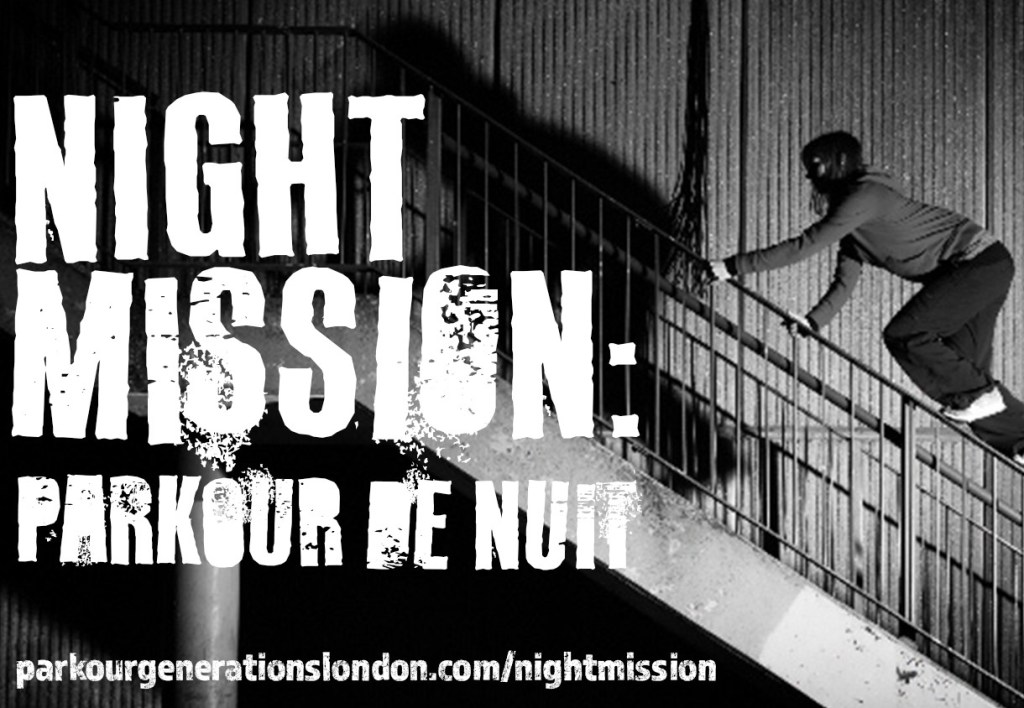
‘There’s something rare and special about moving through a city at night, most people are asleep and the whole world feels like it’s yours and yours alone.’
-
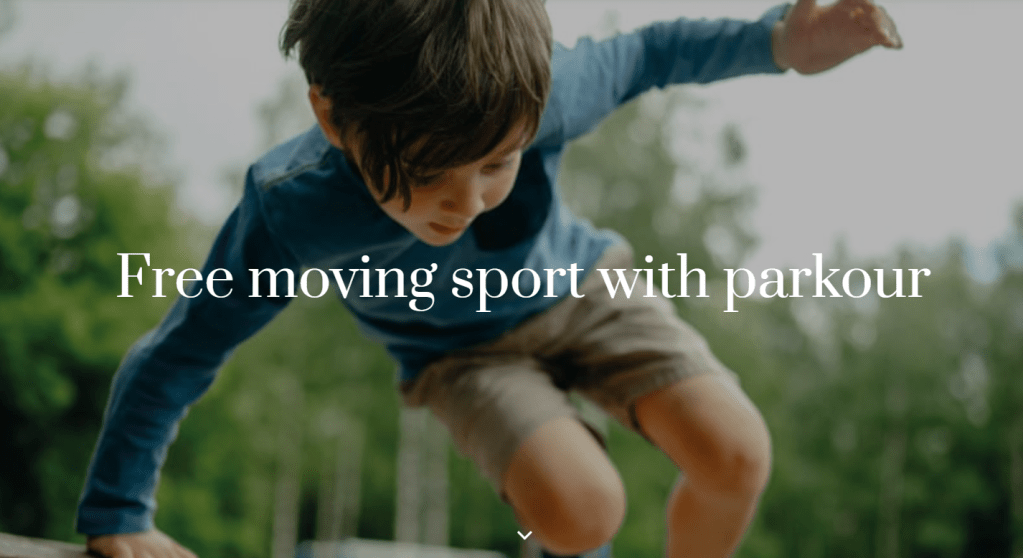
“About 25% of all play is what’s called locomotor play. So, if you leave kids alone, at least a quarter of their time will be spent in very physical, very active play. All kids want to do that because It’s what we evolved to do – to move over terrain.”
-
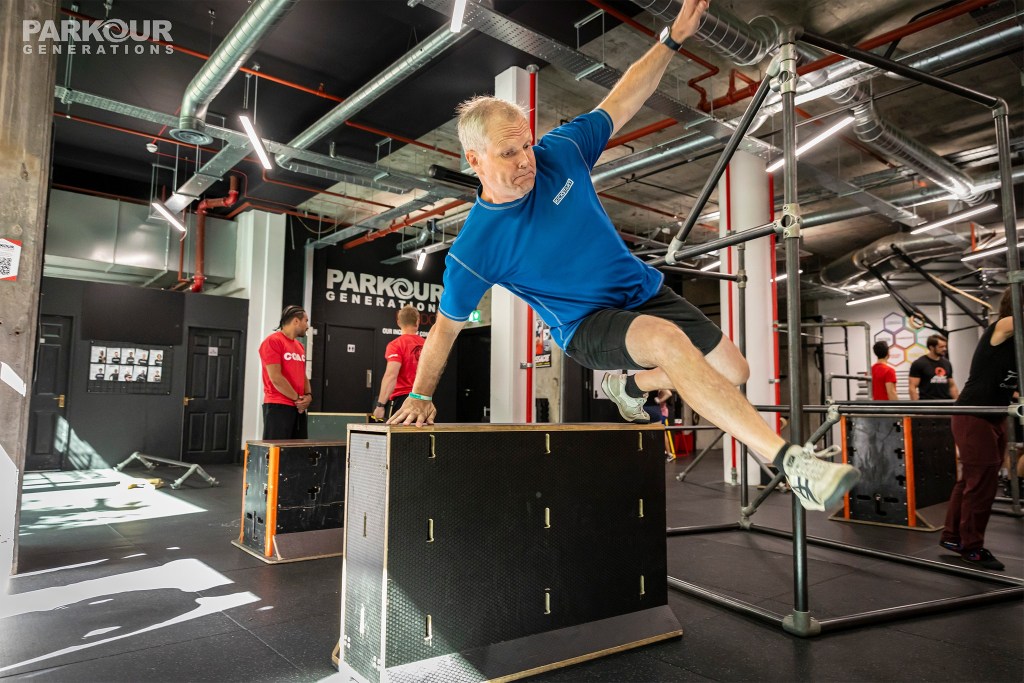
Parkour is that rare discipline that develops in its practitioners the competent use of all the (land-based) human locomotion patterns.
-
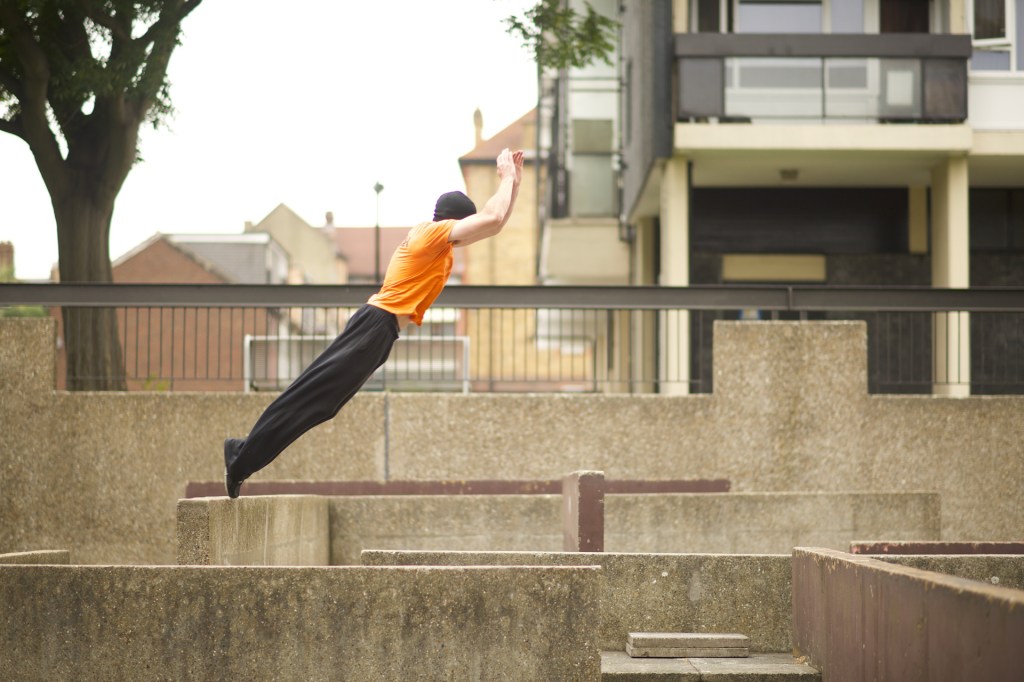
Parkour was born out of the process of solving movement problems, or challenges. They began simple – can we cross this gap; can we climb this building; can we balance along this railing; can we vault this wall? Over time, as competence increased, the complexity and demands of the problems increased, which powered the continual…
-
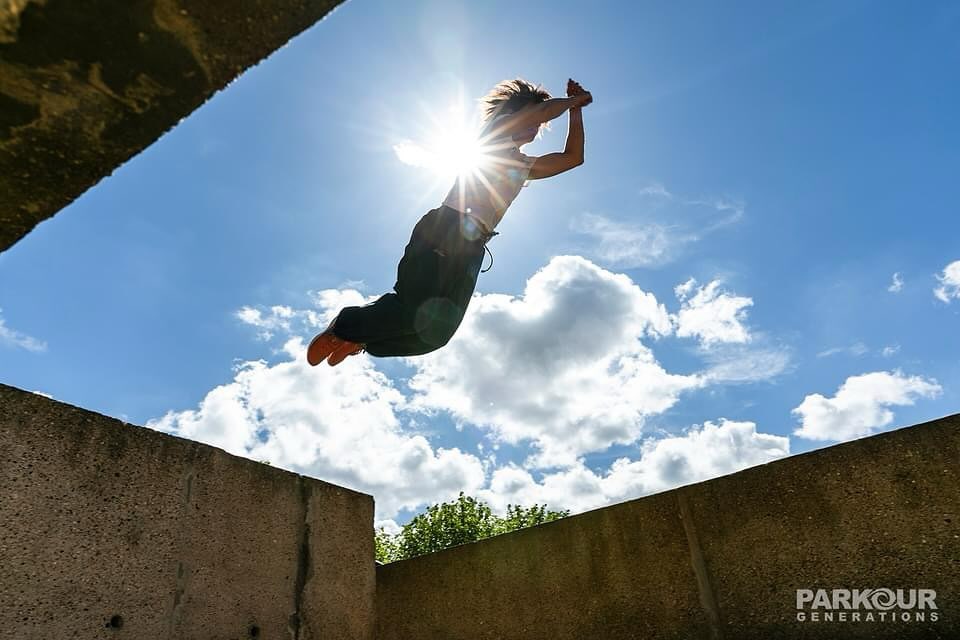
If you train in parkour long enough you will come to understand that your body will quickly become strong, fast and powerful, but it is the mind that truly dictates how much and how quickly you progress. You have a phenomenal capacity for movement, just as every primate does! You are nature’s most adaptive athlete.…
-
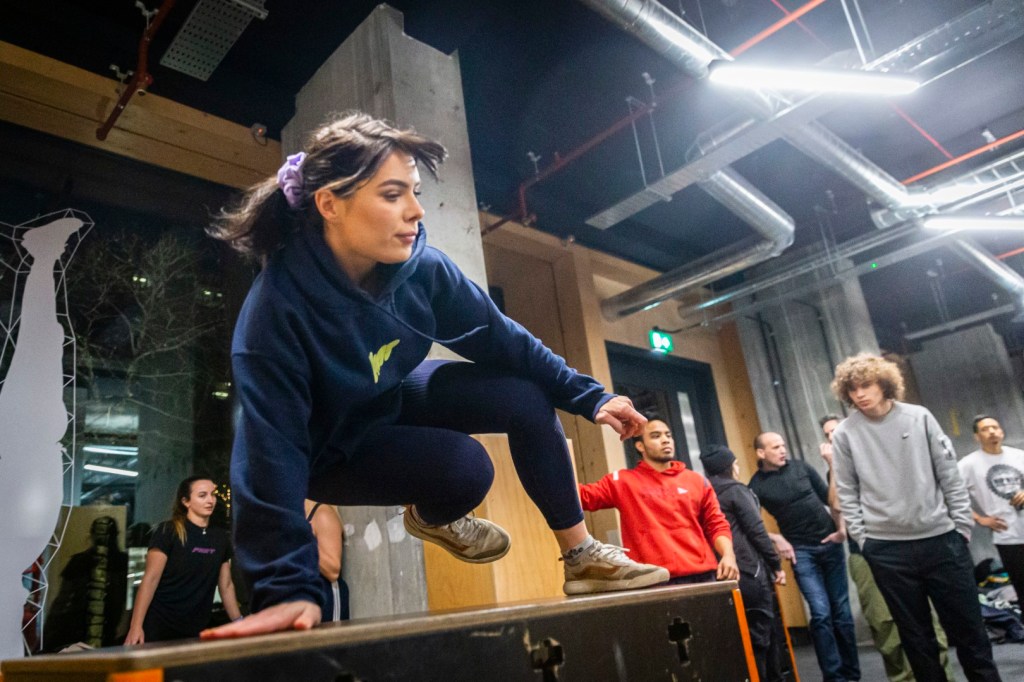
Repetition is the birthplace of skill. Skill, to me, is not best measured by the ability to do something well but rather by the inability to do it poorly. When you rarely get something wrong, you’ve acquired true skill in that thing. This takes time, and countless repetitions. And smart, well executed repetitions, too. There…
-
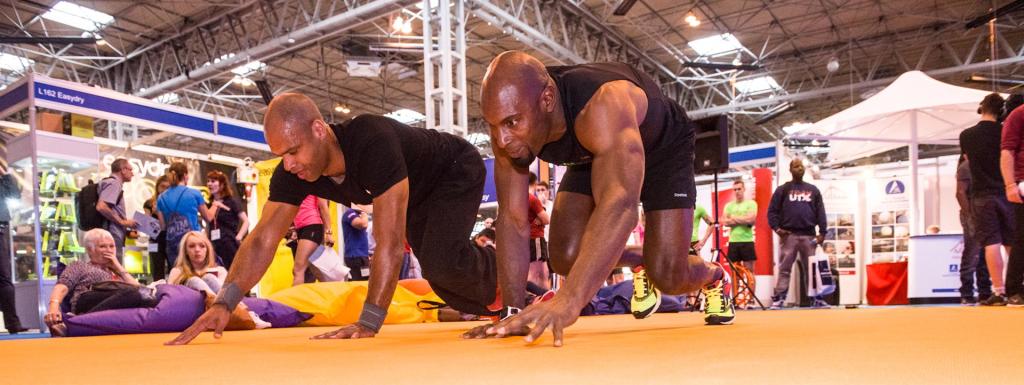
Parkour has involved quadrupedal locomotion patterns, or crawling drills, since its inception over 25 years ago. Anyone who has ever come to one of our classes, workshops or events will be familiar with just how challenging, demanding and sophisticated this form of training can be, as well as how fulfilling it is to become proficient…
-
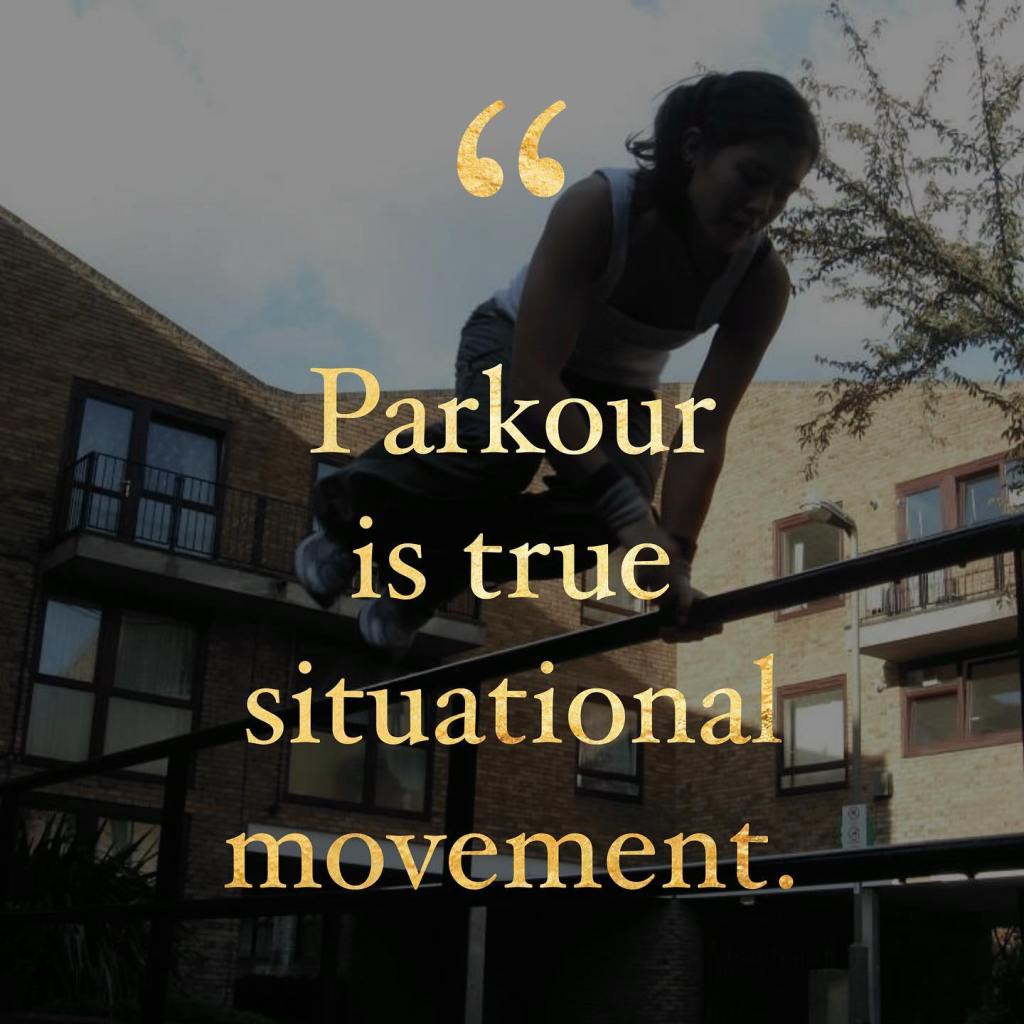
Parkour is true situational movement. It’s great to see so many movement enthusiasts and teachers discovering the power and effectiveness of parkour as a training discipline, something we as practitioners have known for decades. It’s common these days to see movement teachers learning to take their balance skills to railings, or applying their pulling strength…
-
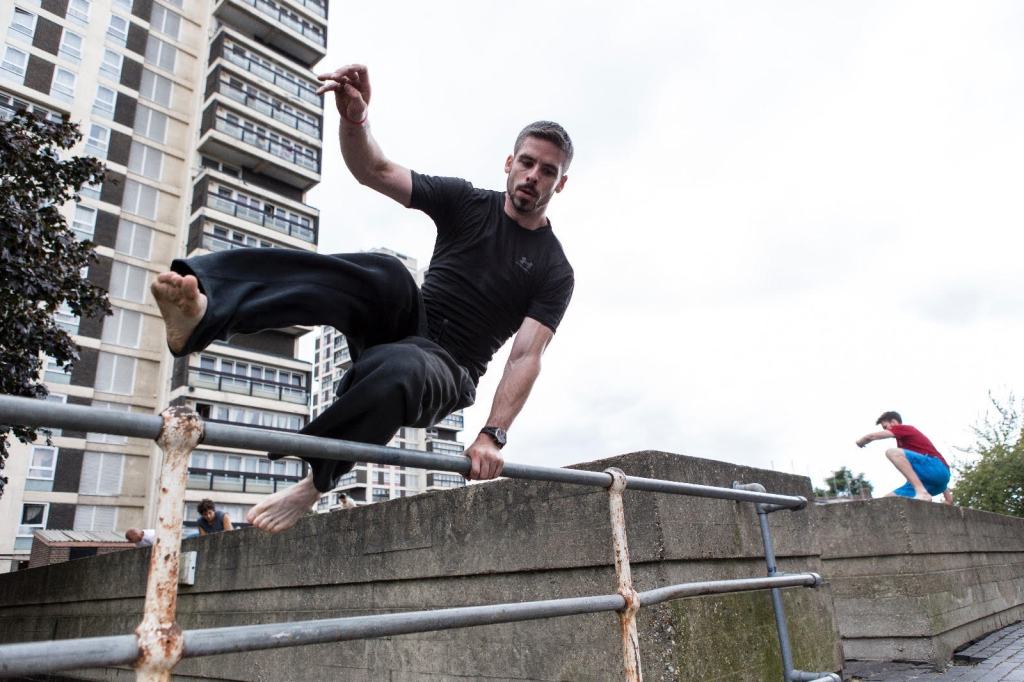
Situational Movement. Another term for what we practice in parkour. Words like ‘functional’ and ‘practical’ tend to evoke certain limited vocabularies of movement, aligned with existing fitness industry or sporting paradigms. Situational includes the functional and the practical, but is not limited to either. But parkour is, in truth, an adaptive movement concept; we shape…
-
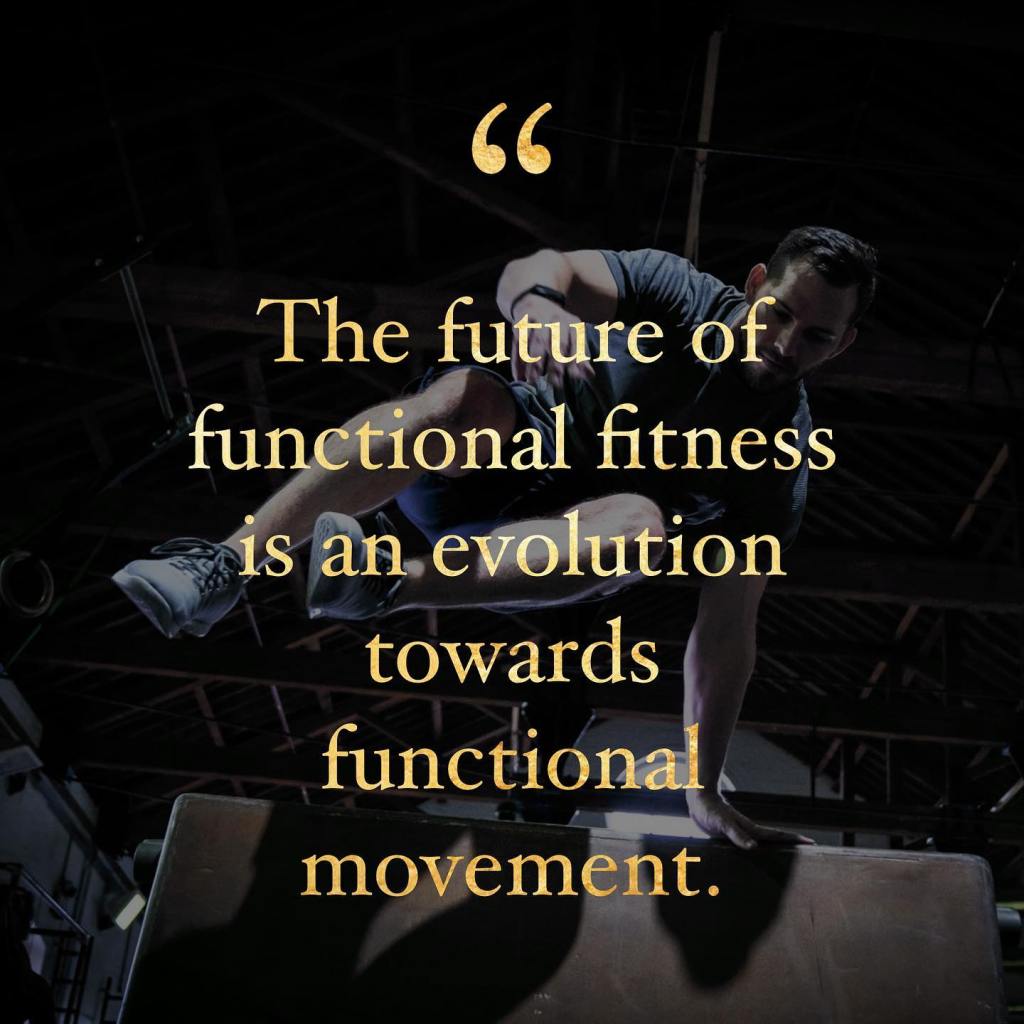
The future of functional fitness is an evolution into functional movement. We see this already in the explosion of more complex movement practices like parkour happening all over the world and being adopted slowly by the mainstream fitness world. Organisms are not machines, and the era of training them like machines will give way to…
-
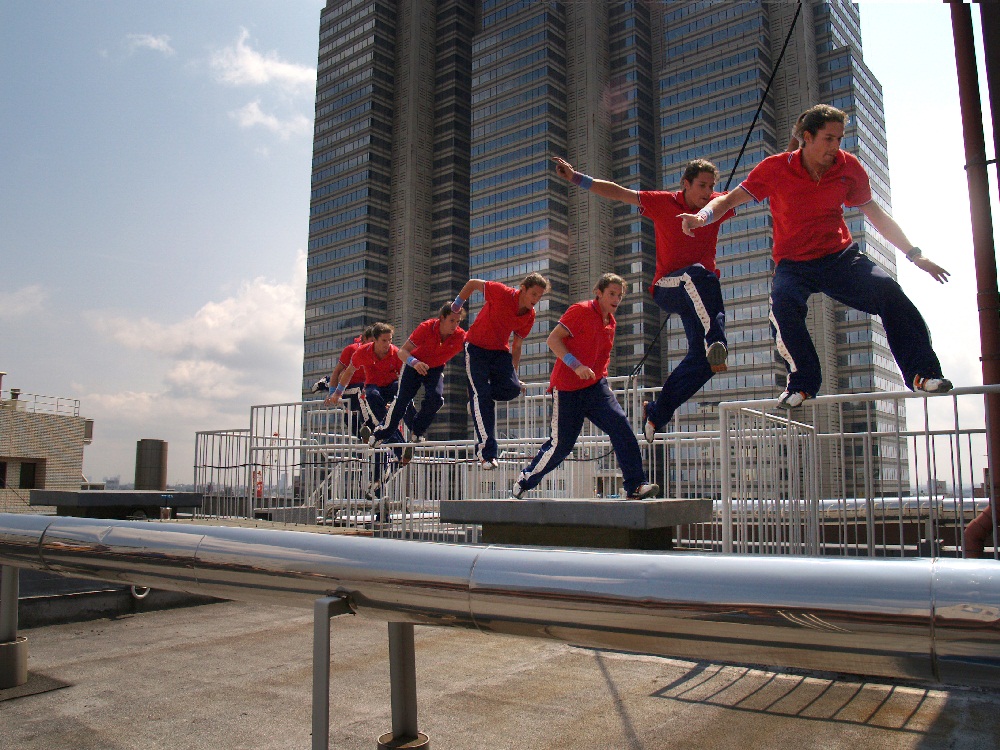
By Dan Edwardes Le Parkour[1], though crystallised into its current guise by David Belle, the Yamakasi, and a handful of others sometime in the 1980s, is a practice the roots of which precede records. It has drawn on a myriad of sources, been inspired by a number of notable individuals and evolved through several traditions…
-
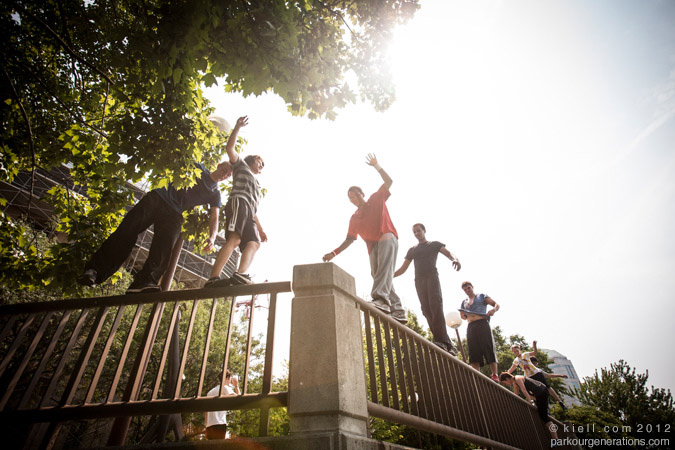
Stretching yourself is vital. Not the yoga kind, though – here I’m referring to stretching your abilities in movement and training: asking more of your body and mind so that you find new levels of performance and achievement and reach your true potential. If you aren’t stretching yourself in your practice, whatever it is, you’re…
-
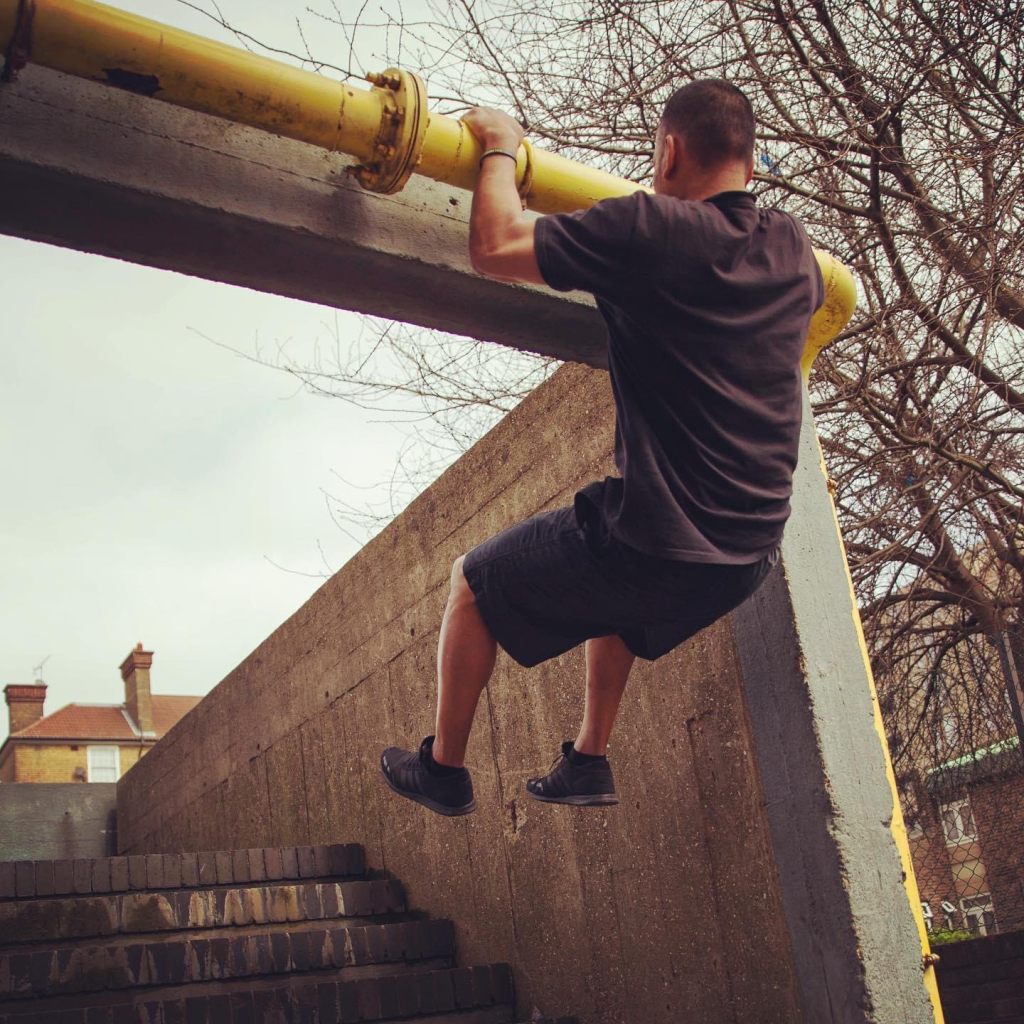
Complex movement is not just a physical exercise, but a cognitive one – as we run, jump, vault and climb through an unprepared environment we are also taxing our brain’s motor control, memory, spatial awareness and executive functioning. This is why a combination of simultaneous physical and mental work improves neural responses and brain health,…
-

It’s a very cool title isn’t it: Extreme Sports! Often seen with a dropped ‘E’ so you get some form of X-treme or X-awesome or x-whatever, because hey, doesn’t that make it even more hardcore, even more cool, even more rebellious? That’s sticks it to The Man, for sure, right? X’s are just bad-ass! But…
 Dan Edwardes