movement
-
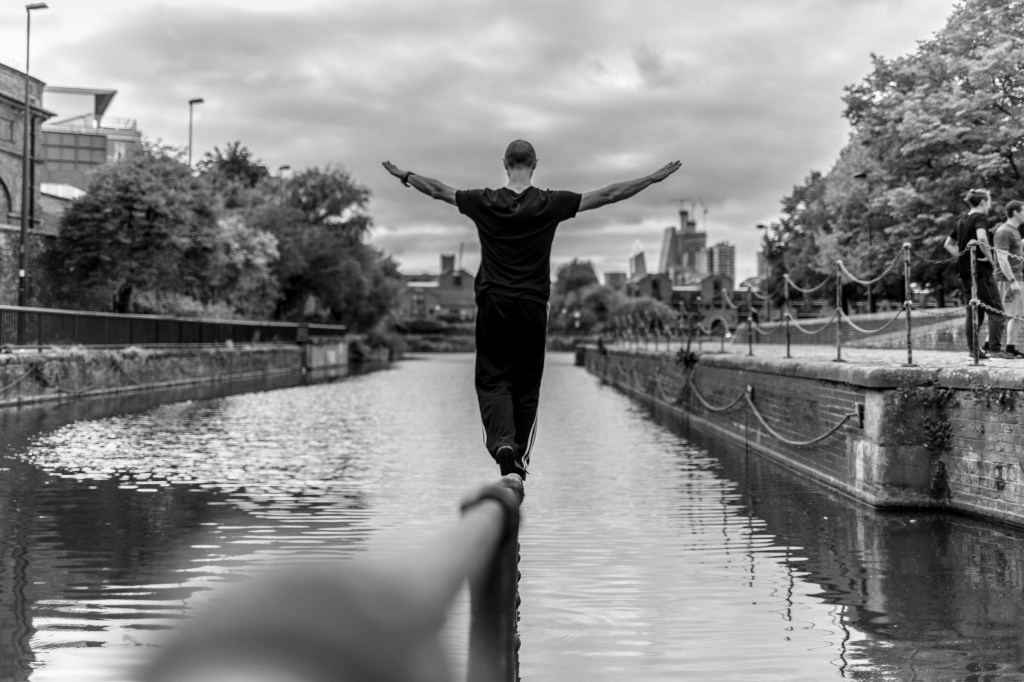
In parkour, adaptability is not an advanced skill to be layered on later. It is the foundation. Movement that cannot survive variation is not yet robust. Variable practice exposes weaknesses early, when they can still be addressed, rather than allowing them to remain hidden behind repetition.
-
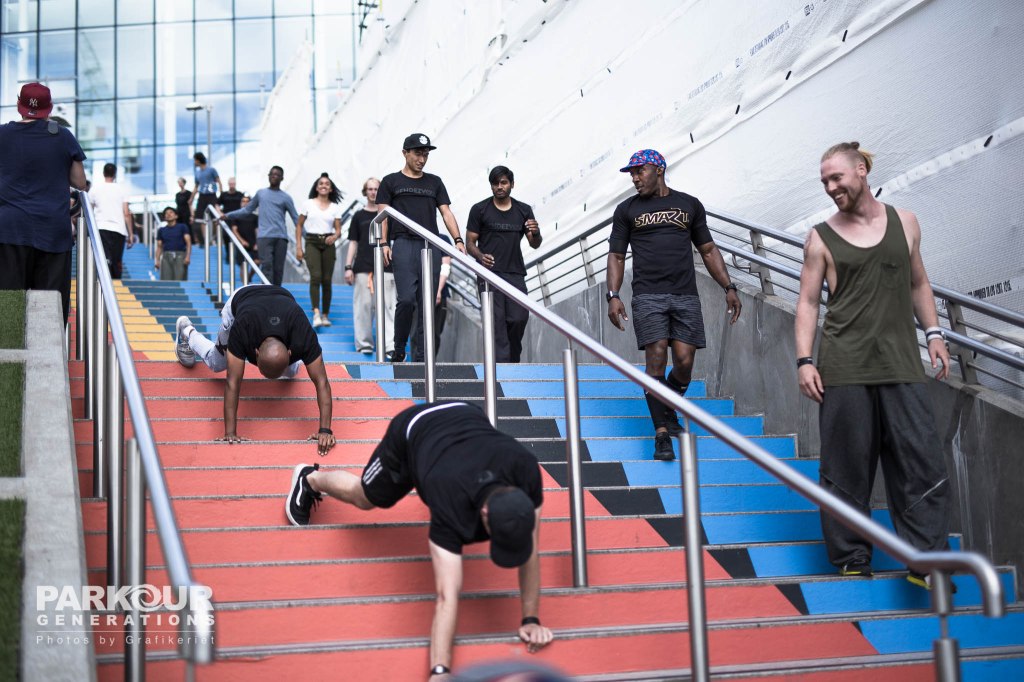
In the early days we had a basic rule in training – if there is more than one way forward, always take the harder of the two paths. The discipline was never meant to make life easier by avoiding difficulty. It was meant to make people more capable of meeting it.
-
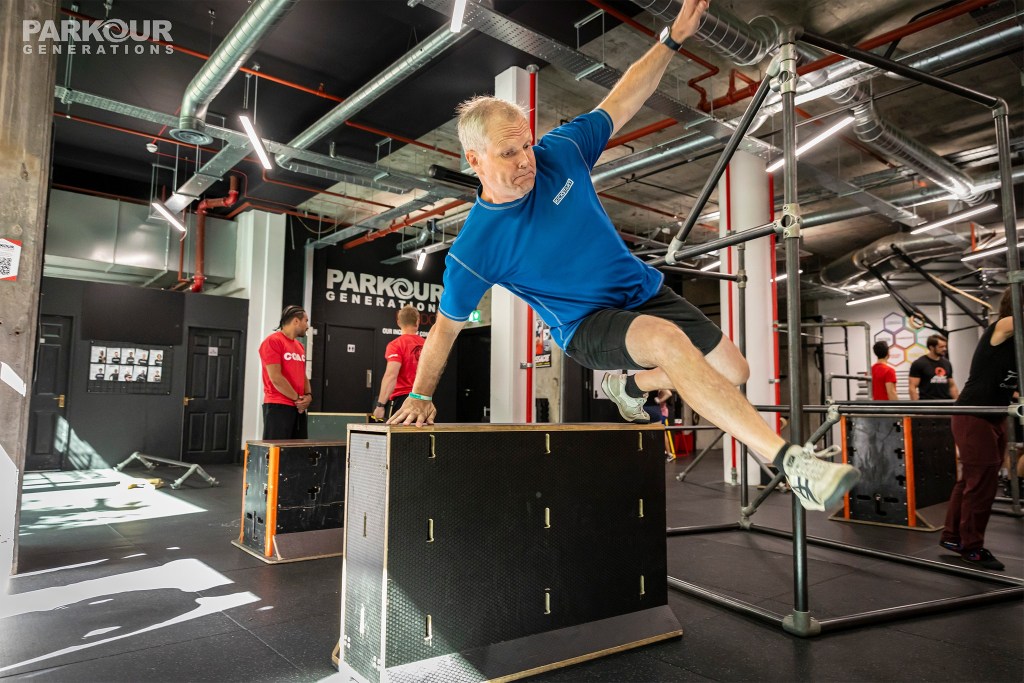
Parkour is that rare discipline that develops in its practitioners the competent use of all the (land-based) human locomotion patterns.
-
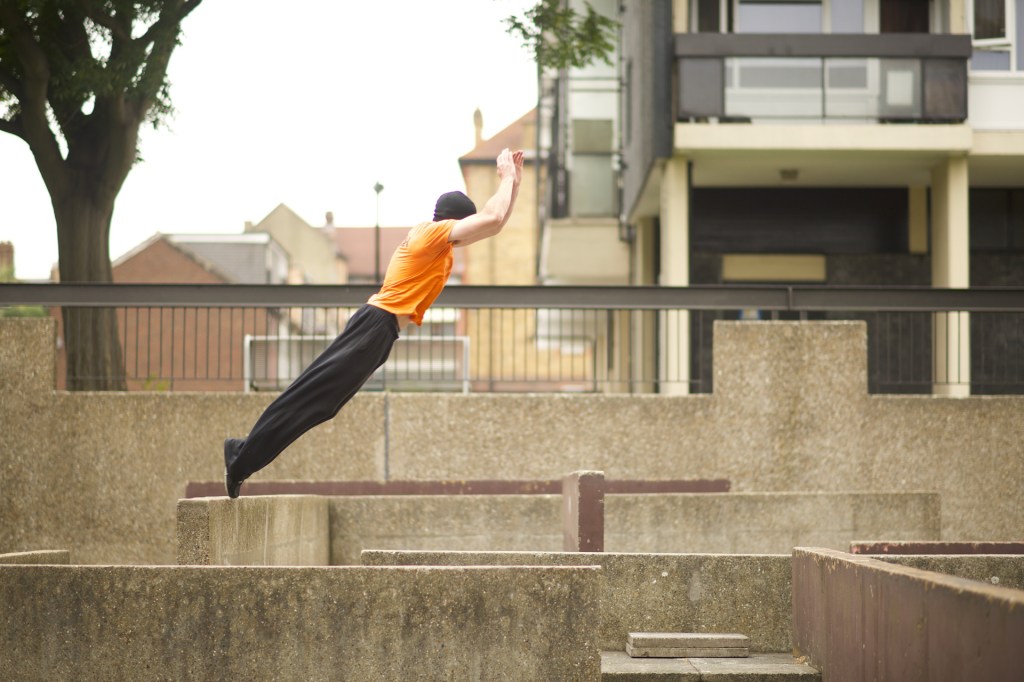
Parkour was born out of the process of solving movement problems, or challenges. They began simple – can we cross this gap; can we climb this building; can we balance along this railing; can we vault this wall? Over time, as competence increased, the complexity and demands of the problems increased, which powered the continual…
-
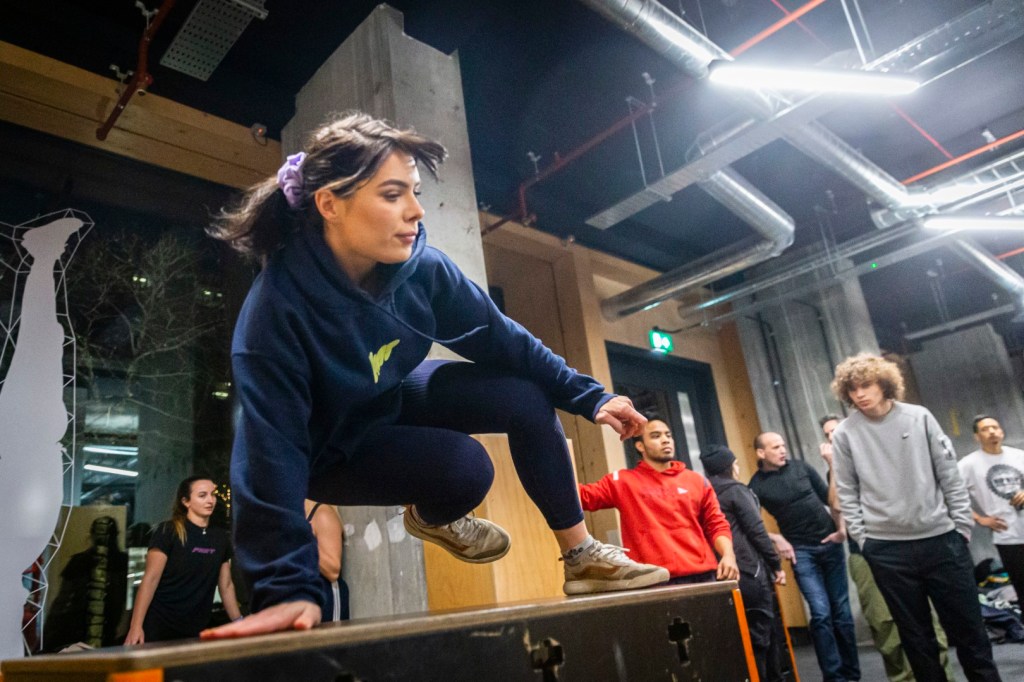
Repetition is the birthplace of skill. Skill, to me, is not best measured by the ability to do something well but rather by the inability to do it poorly. When you rarely get something wrong, you’ve acquired true skill in that thing. This takes time, and countless repetitions. And smart, well executed repetitions, too. There…
-
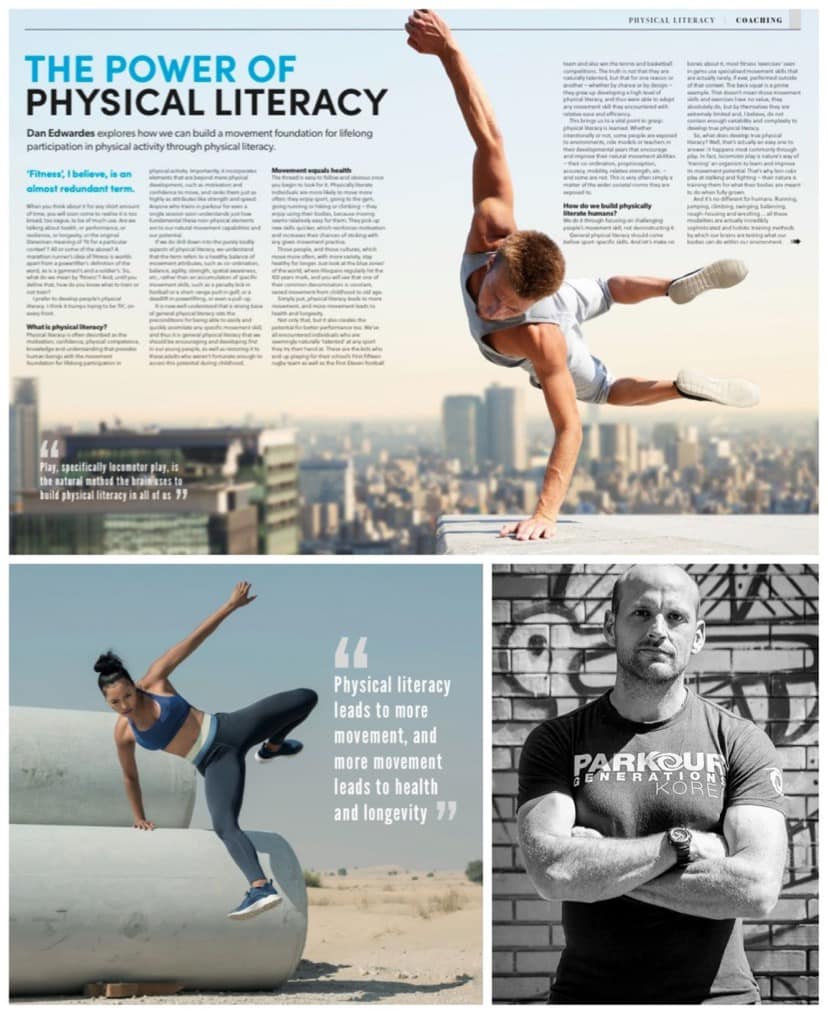
‘Fitness’, I believe, is an almost redundant term. When you think about it for any short amount of time, you will soon come to realise it is too broad, too vague, to be of much use. Are we talking about health, or performance, or resilience, or longevity, or the original Darwinian meaning of ‘fit for…
-
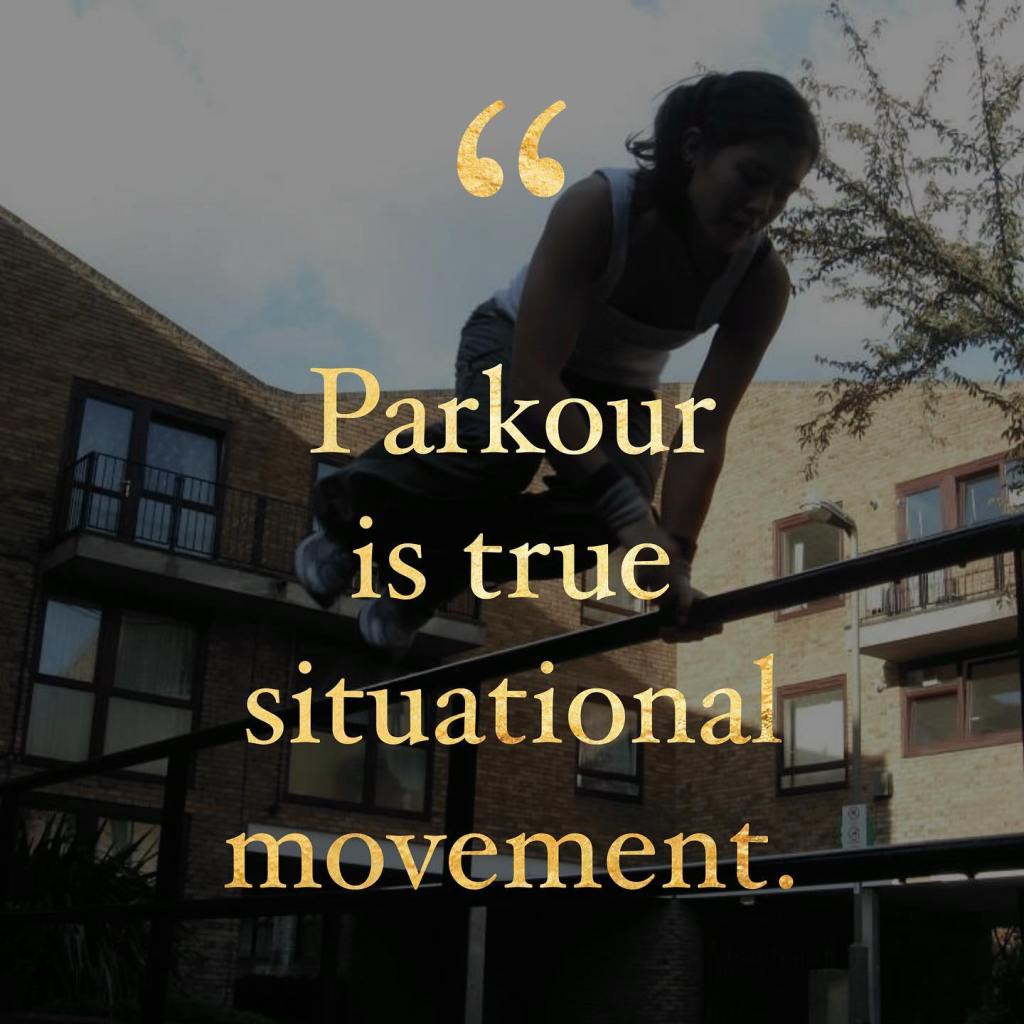
Parkour is true situational movement. It’s great to see so many movement enthusiasts and teachers discovering the power and effectiveness of parkour as a training discipline, something we as practitioners have known for decades. It’s common these days to see movement teachers learning to take their balance skills to railings, or applying their pulling strength…
-
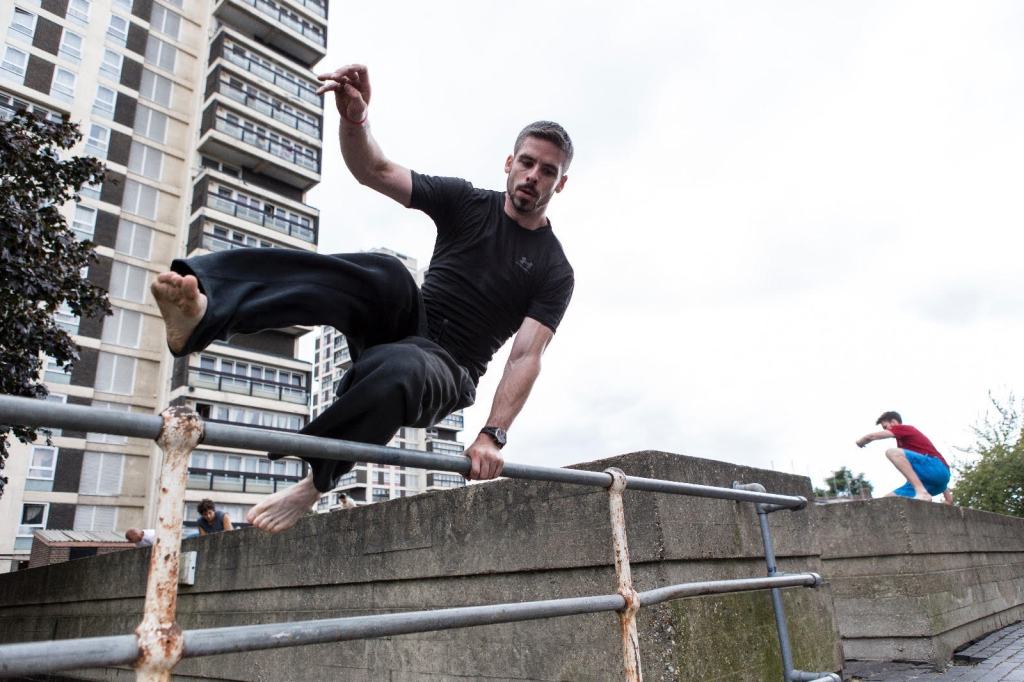
Situational Movement. Another term for what we practice in parkour. Words like ‘functional’ and ‘practical’ tend to evoke certain limited vocabularies of movement, aligned with existing fitness industry or sporting paradigms. Situational includes the functional and the practical, but is not limited to either. But parkour is, in truth, an adaptive movement concept; we shape…
-
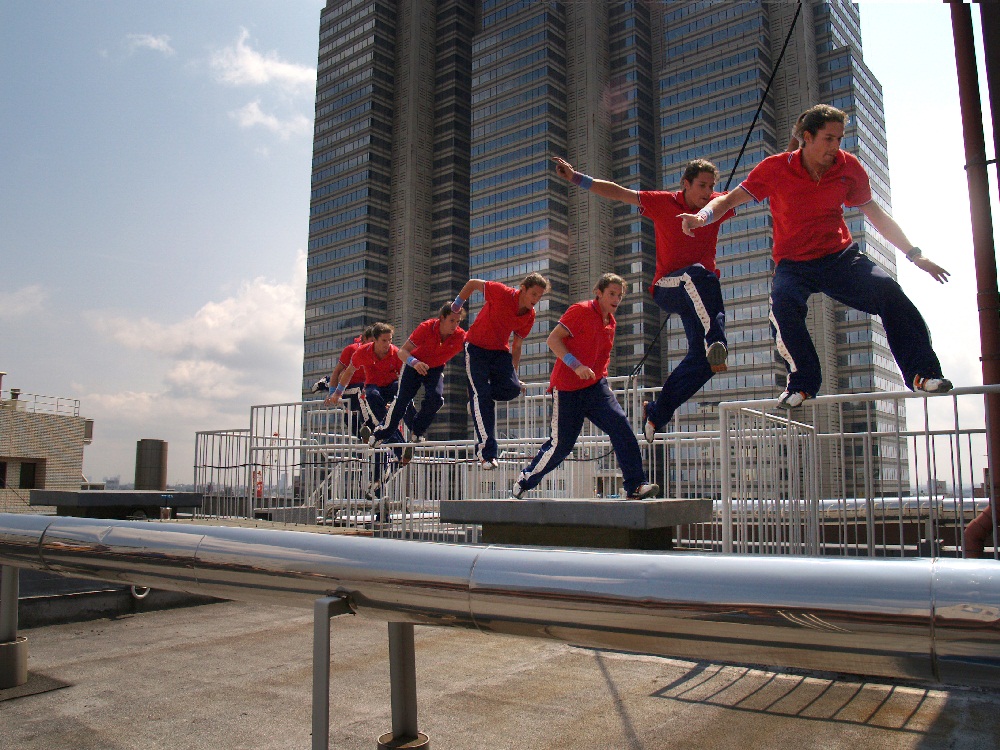
By Dan Edwardes Le Parkour[1], though crystallised into its current guise by David Belle, the Yamakasi, and a handful of others sometime in the 1980s, is a practice the roots of which precede records. It has drawn on a myriad of sources, been inspired by a number of notable individuals and evolved through several traditions…
-
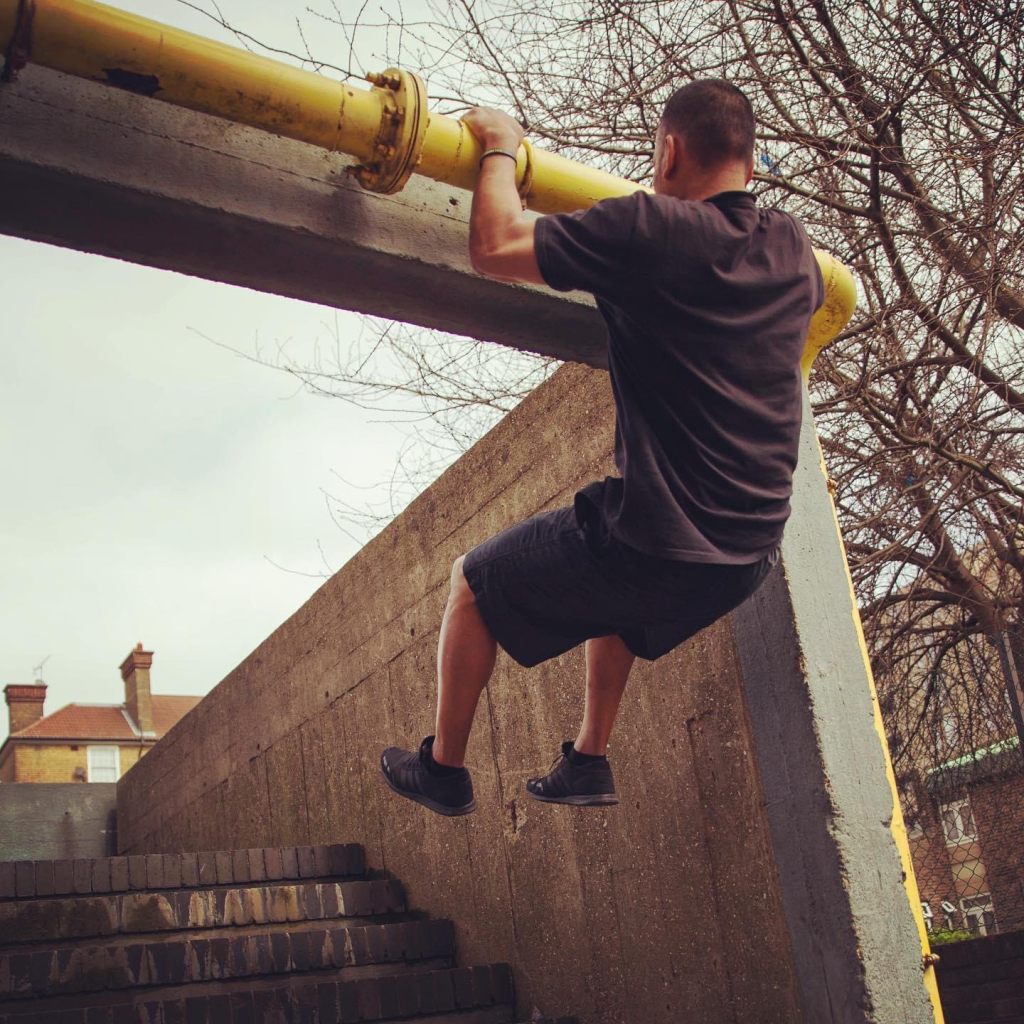
Complex movement is not just a physical exercise, but a cognitive one – as we run, jump, vault and climb through an unprepared environment we are also taxing our brain’s motor control, memory, spatial awareness and executive functioning. This is why a combination of simultaneous physical and mental work improves neural responses and brain health,…
-
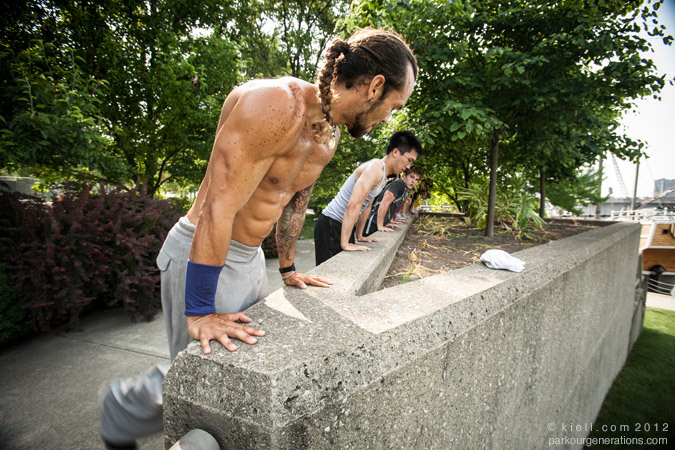
Too often we are taught to break apart the body and look at it as a series of problems; to fragment it in order to make the complexity of human movement more manageable, and injuries more fixable. But we pay a hidden and enormous price for this…
-
There is nothing either good or bad, but thinking makes it so – Hamlet, William Shakespeare If you’re naive enough to believe you can get the best out of your body (and, therefore, your life) without the risk of injury at some stage, you’re living in a fantasy. Either that or you’re happy to settle…
-
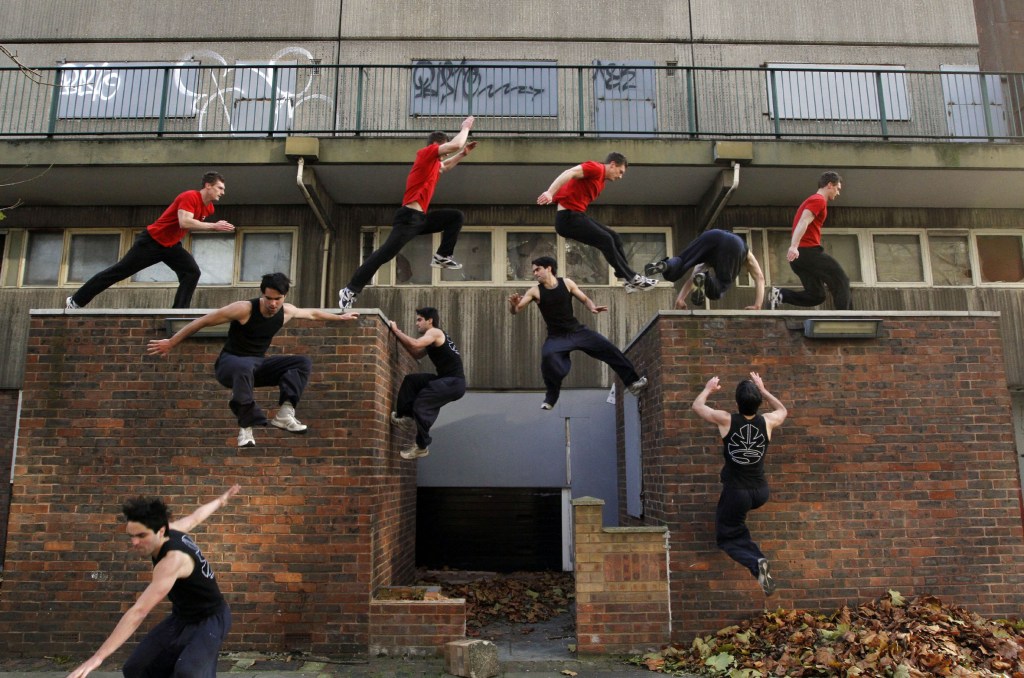
Arguably the most important element of training for any discipline, goal or task is to be able to carry out the requisite movements with as much efficiency and as little stress on the body as possible. This is known as biomechanical fitness and is the ability of your entire system (bones, fascia, ligaments, tendons, muscles)…
-
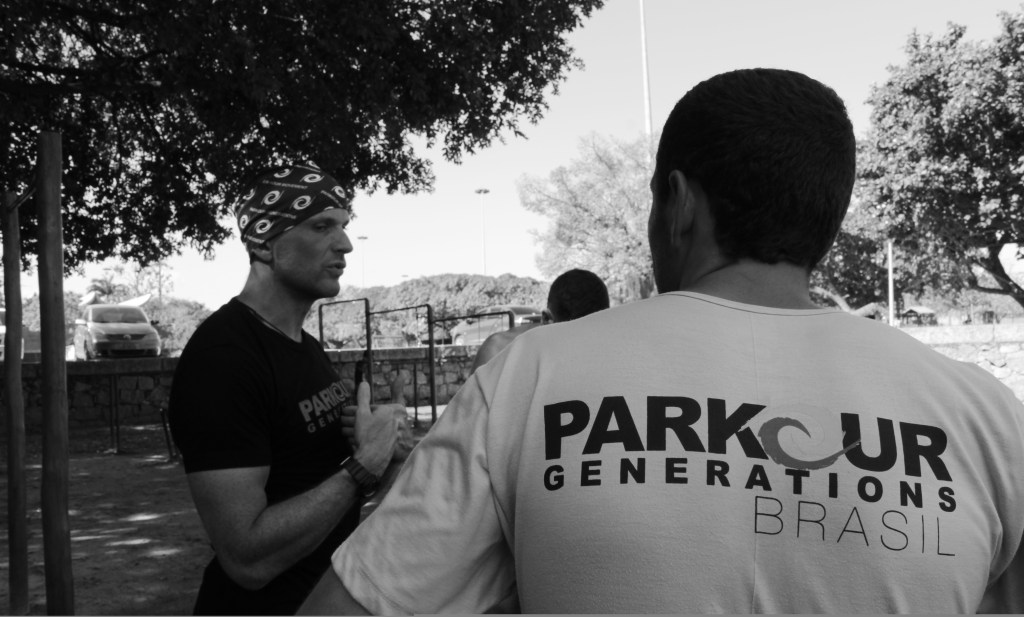
The very best coaches understand this simple truth: what you say and how you say it matters. A lot. Good cueing can get fast, accurate, desired results for both you and your learners. Bad cueing can confuse, impede learning, and waste time – for both you and your learners. Here are just six starting points…
-
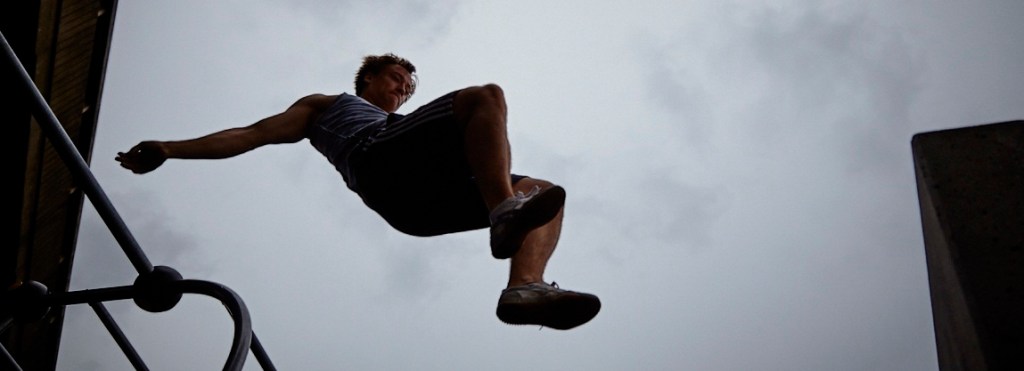
What I have learned over the years of training is that no matter how you evolve your body it really means very little unless you also evolve your mind. We are quick to want to change the body, to strengthen, improve, shape, tone, build… But how easily or often do we attempt to change the…
 Dan Edwardes