parkour generations
-
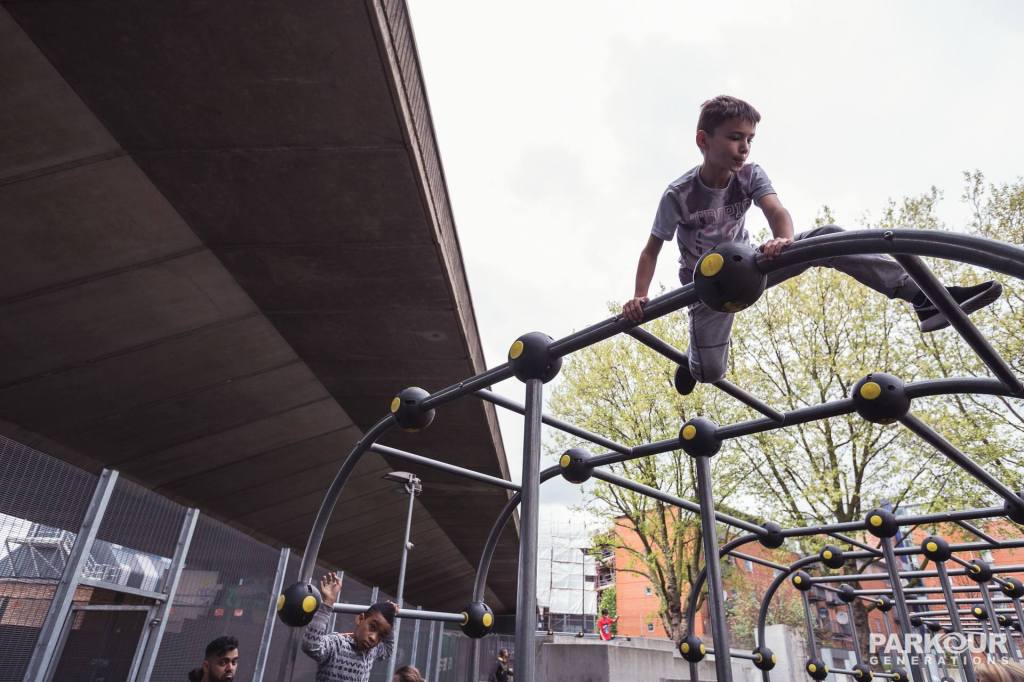
Why the modern focus on safety at all costs is lowering our competence, confidence and capabilities while also making us less safe overall. We all know that well-worn adage, ‘safety first’. A seemingly innocuous and perfectly reasonable phrase, reminding us to consider the risks and think about what safeguards might be a good idea within…
-
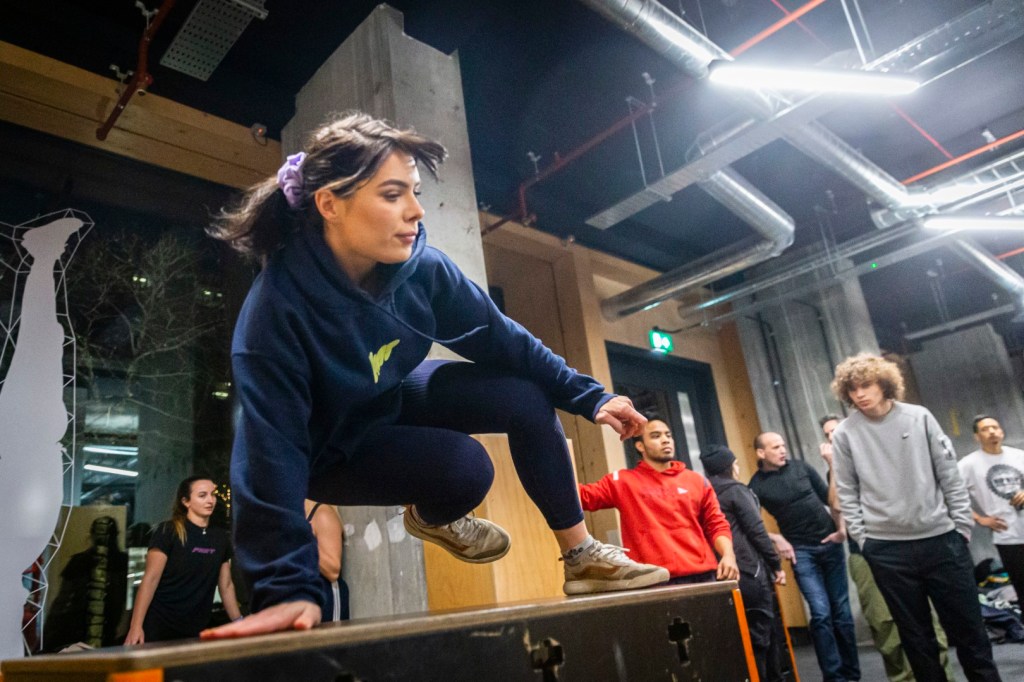
Repetition is the birthplace of skill. Skill, to me, is not best measured by the ability to do something well but rather by the inability to do it poorly. When you rarely get something wrong, you’ve acquired true skill in that thing. This takes time, and countless repetitions. And smart, well executed repetitions, too. There…
-
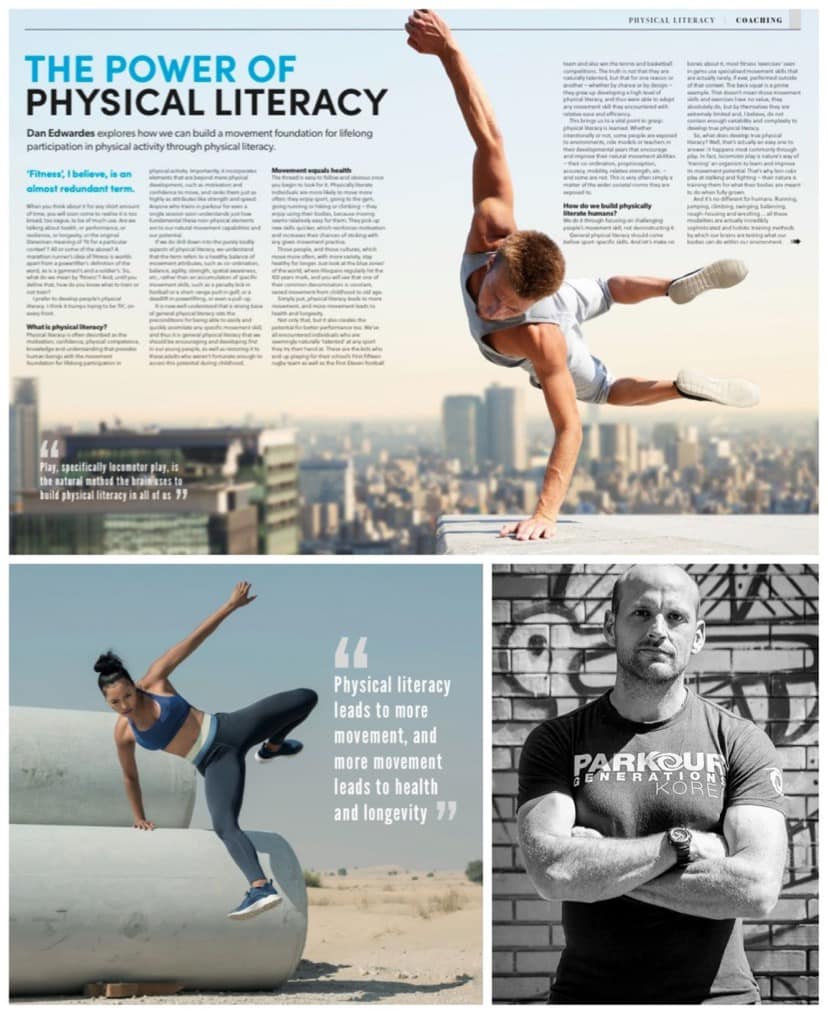
‘Fitness’, I believe, is an almost redundant term. When you think about it for any short amount of time, you will soon come to realise it is too broad, too vague, to be of much use. Are we talking about health, or performance, or resilience, or longevity, or the original Darwinian meaning of ‘fit for…
-
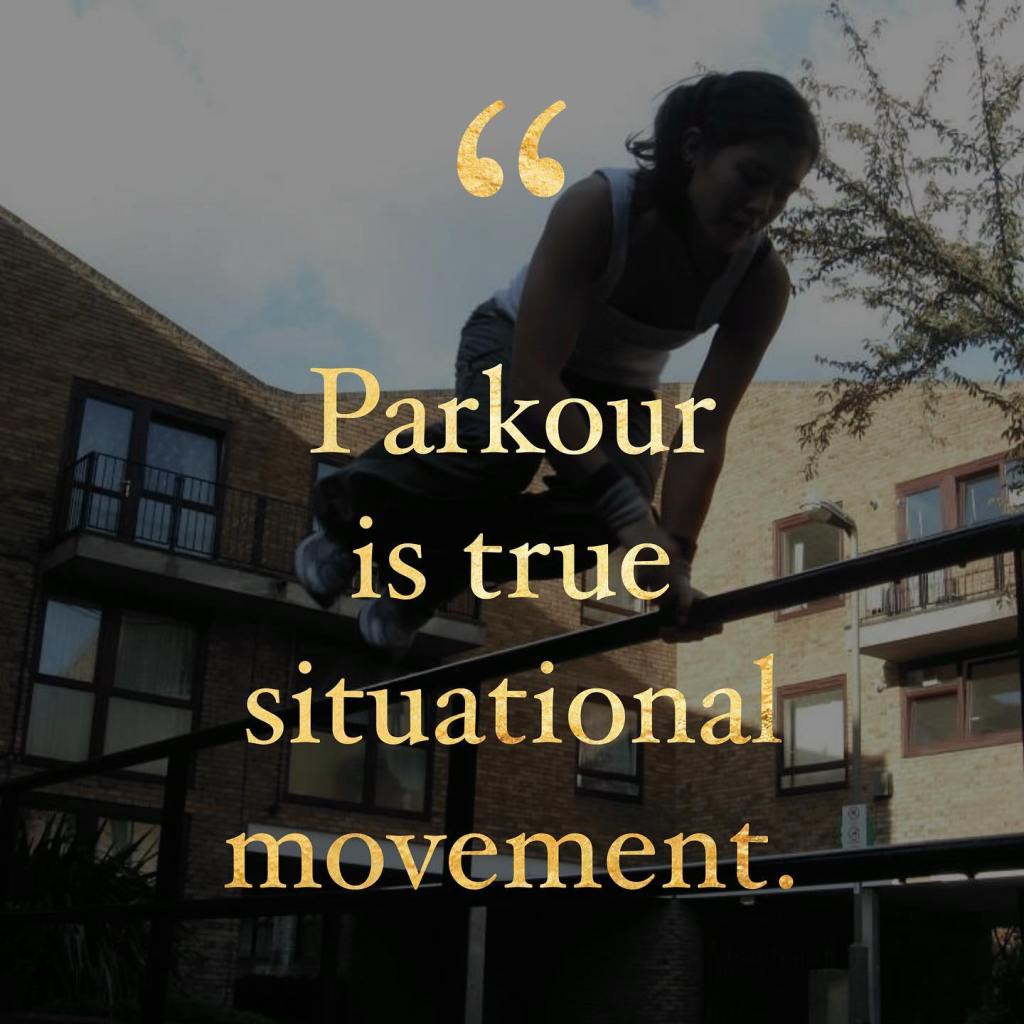
Parkour is true situational movement. It’s great to see so many movement enthusiasts and teachers discovering the power and effectiveness of parkour as a training discipline, something we as practitioners have known for decades. It’s common these days to see movement teachers learning to take their balance skills to railings, or applying their pulling strength…
-
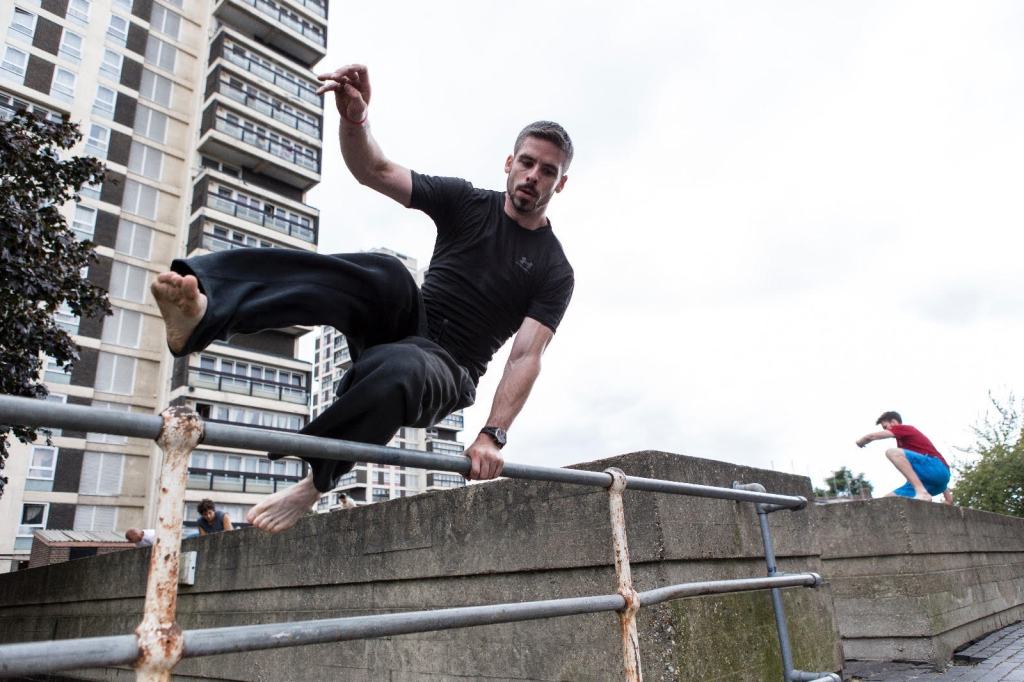
Situational Movement. Another term for what we practice in parkour. Words like ‘functional’ and ‘practical’ tend to evoke certain limited vocabularies of movement, aligned with existing fitness industry or sporting paradigms. Situational includes the functional and the practical, but is not limited to either. But parkour is, in truth, an adaptive movement concept; we shape…
-
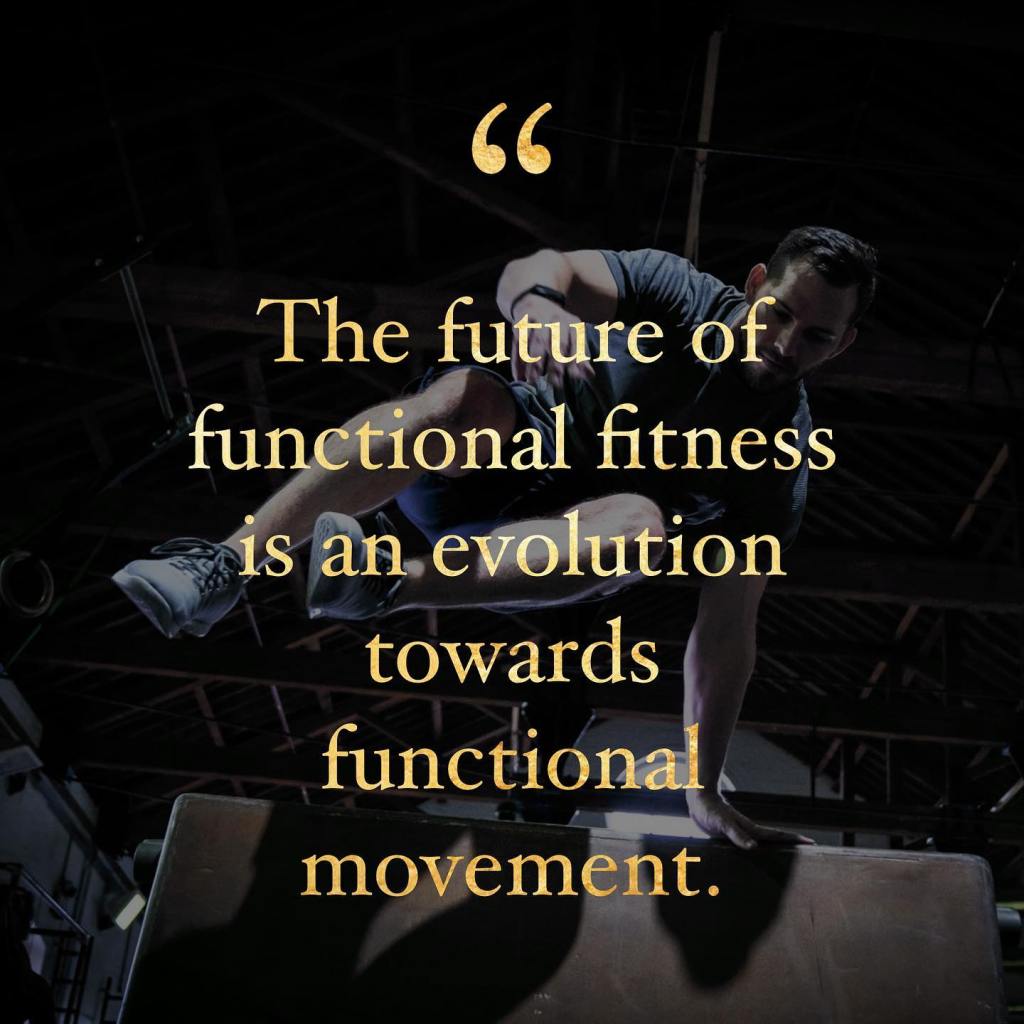
The future of functional fitness is an evolution into functional movement. We see this already in the explosion of more complex movement practices like parkour happening all over the world and being adopted slowly by the mainstream fitness world. Organisms are not machines, and the era of training them like machines will give way to…
-
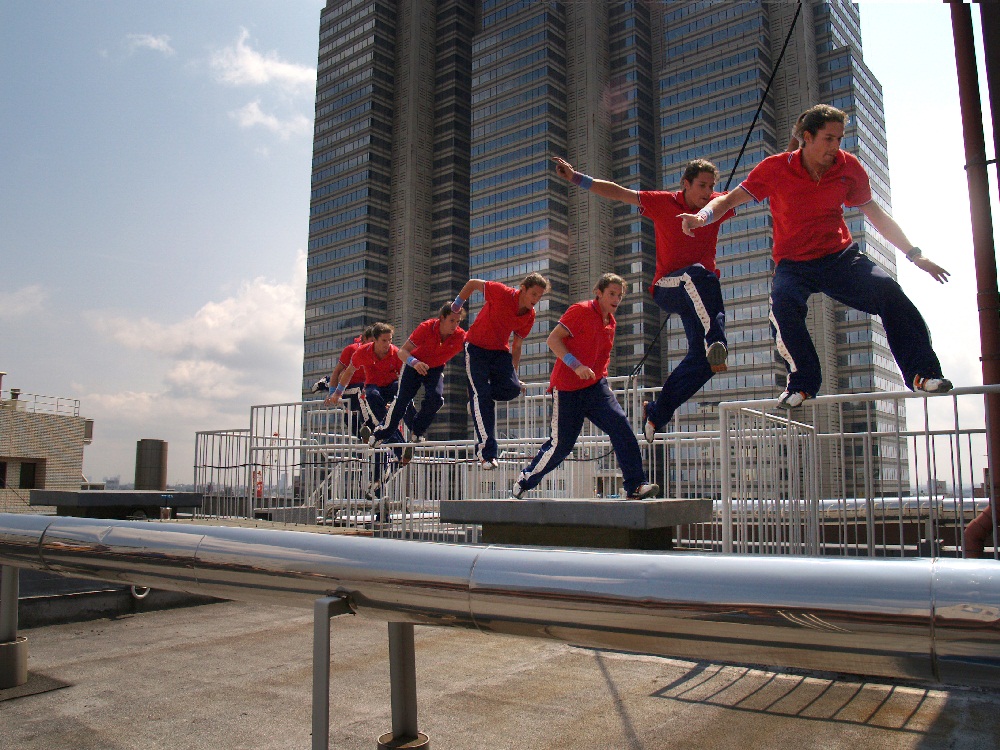
By Dan Edwardes Le Parkour[1], though crystallised into its current guise by David Belle, the Yamakasi, and a handful of others sometime in the 1980s, is a practice the roots of which precede records. It has drawn on a myriad of sources, been inspired by a number of notable individuals and evolved through several traditions…
-
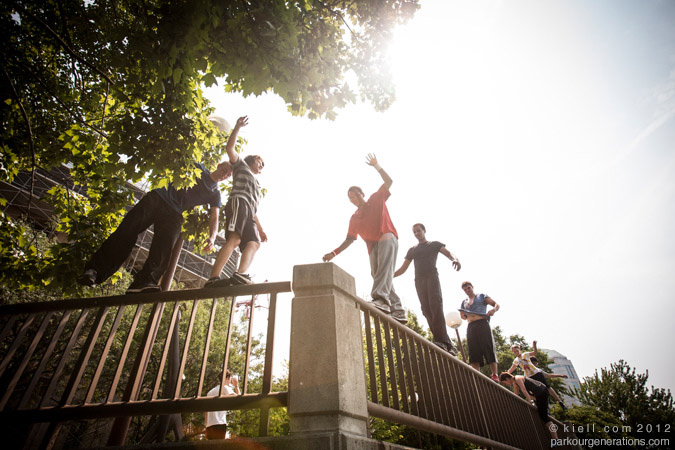
Stretching yourself is vital. Not the yoga kind, though – here I’m referring to stretching your abilities in movement and training: asking more of your body and mind so that you find new levels of performance and achievement and reach your true potential. If you aren’t stretching yourself in your practice, whatever it is, you’re…
-
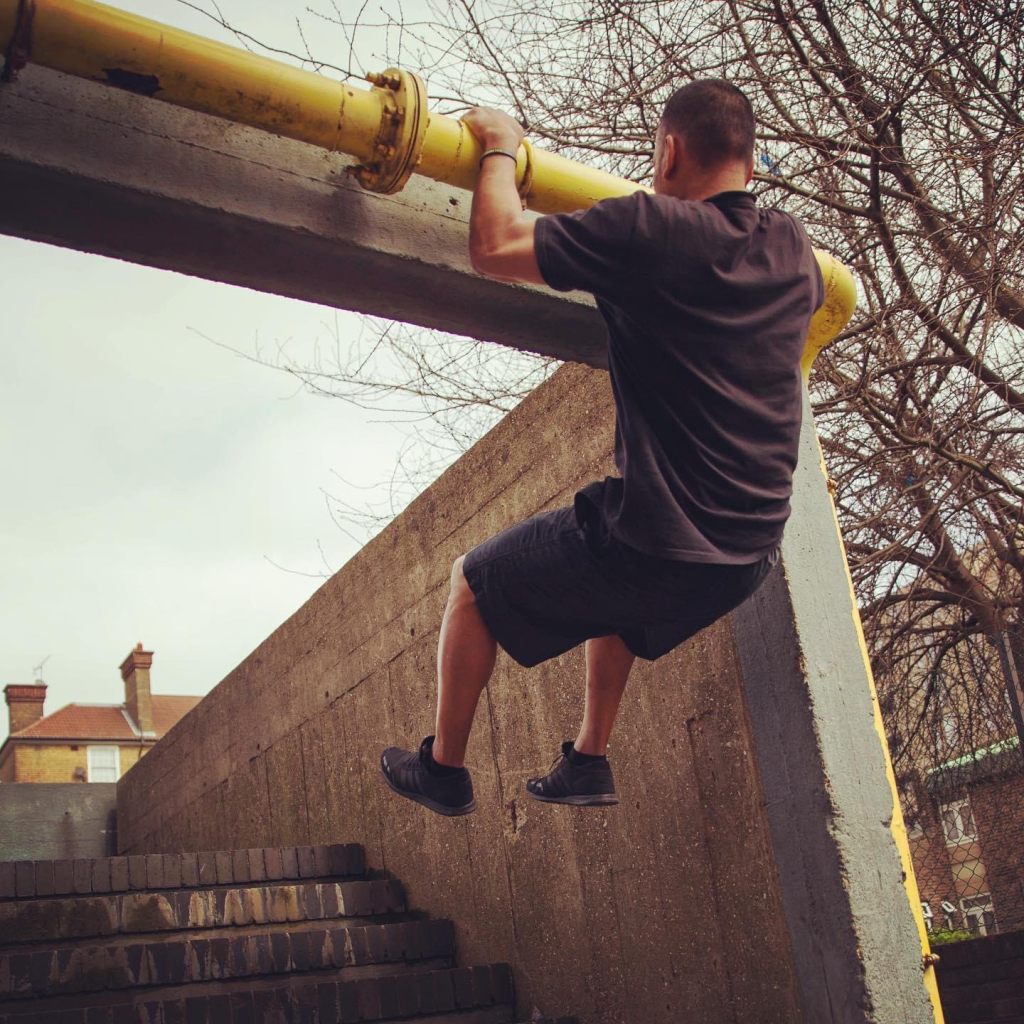
Complex movement is not just a physical exercise, but a cognitive one – as we run, jump, vault and climb through an unprepared environment we are also taxing our brain’s motor control, memory, spatial awareness and executive functioning. This is why a combination of simultaneous physical and mental work improves neural responses and brain health,…
-
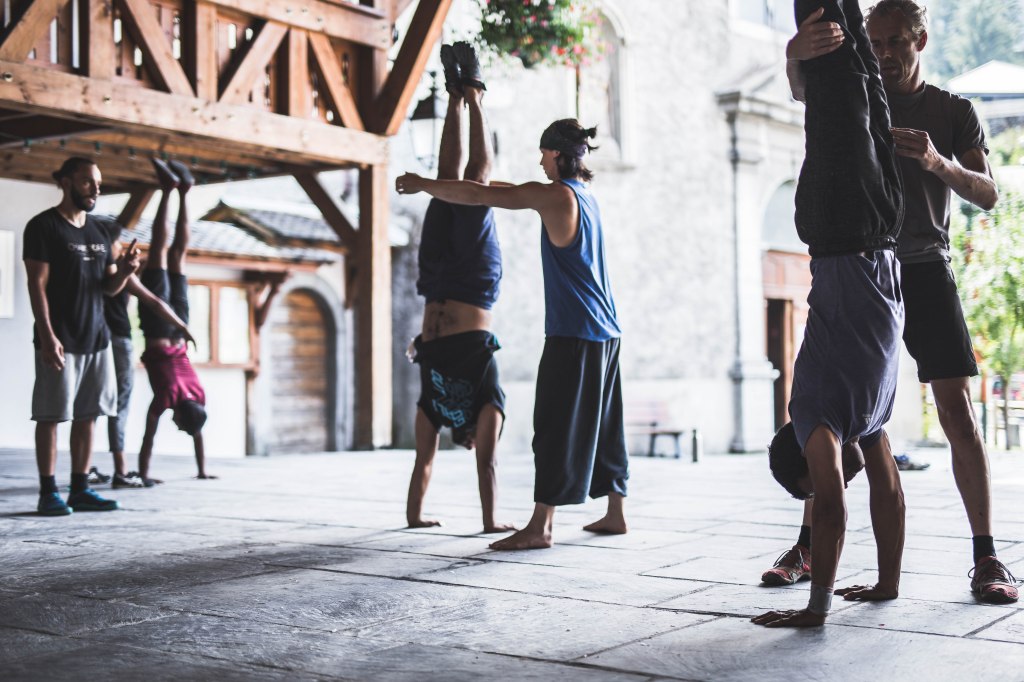
How you do anything is how you do everything. What this means, in practice, is that everything you do – no matter how small or insignificant it seems – matters. Why? Because it all adds to the whole. Every movement you make, every thought you have, every decision you take fires a sequence of neurons…
-
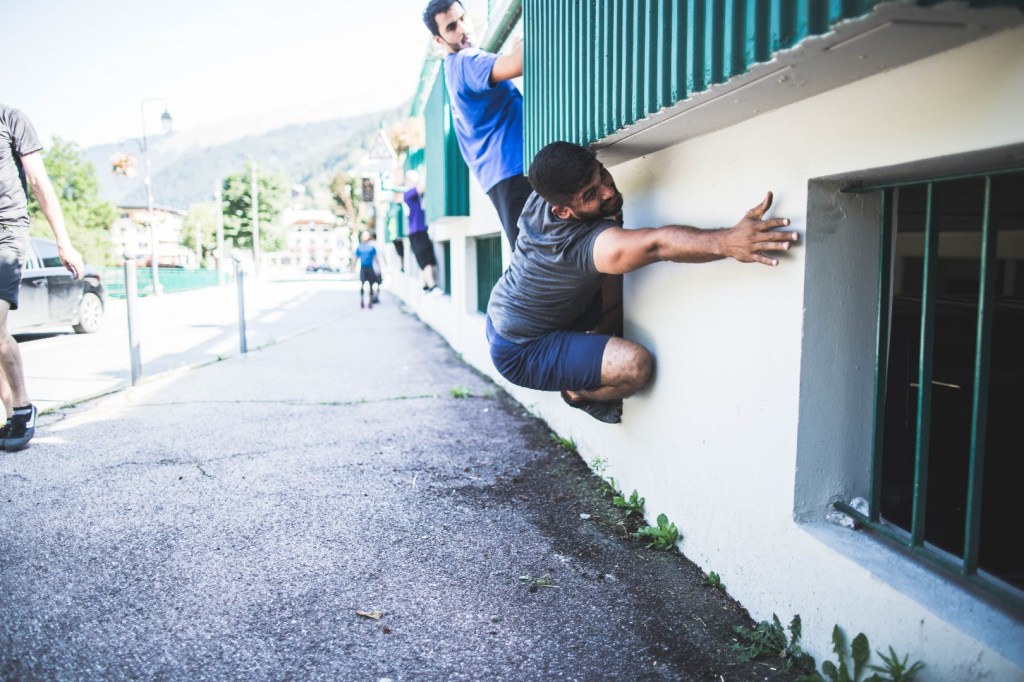
Effortlessness typically only results from a long period of great effort. The best make things look easy because they persisted even when things got tough. And to sustain such effort for so long requires sufficient, ongoing motivation; passion for that thing. Without that, the effort – the initial interest – just won’t last. Motivating yourself…
-
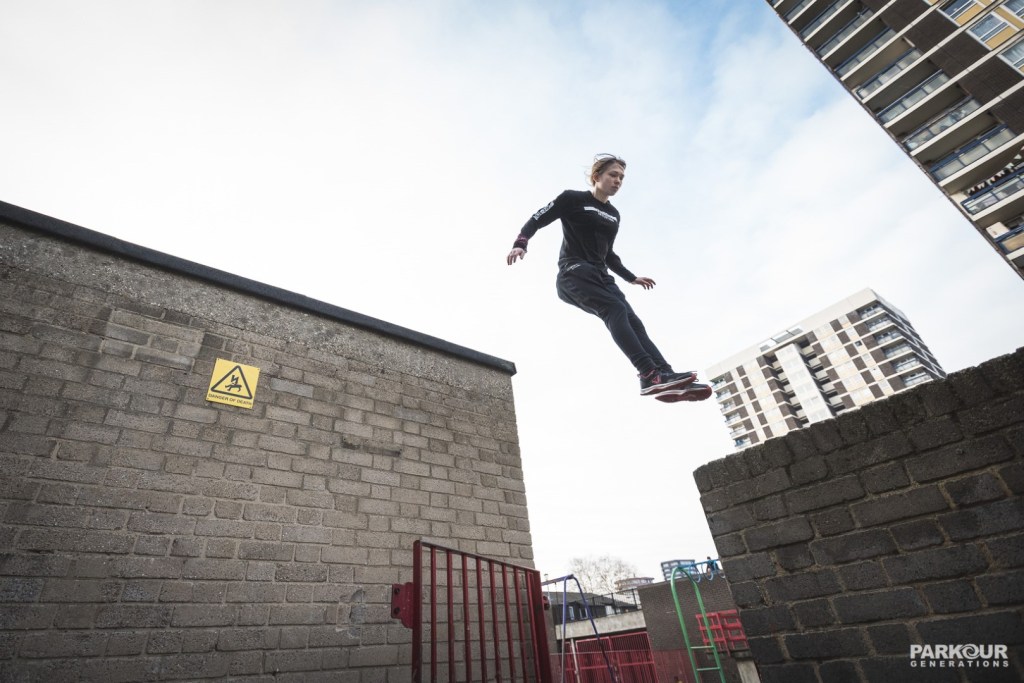
Impact can and should be a positive stressor for the body, promoting bone growth and improved density and creating healthy levels of athletic tension and responsiveness in the nervous system. Parkour practitioners develop joints that can manage significant loading forces across multiple planes and directions. How do we do this? Through good landing biomechanics, the…
-
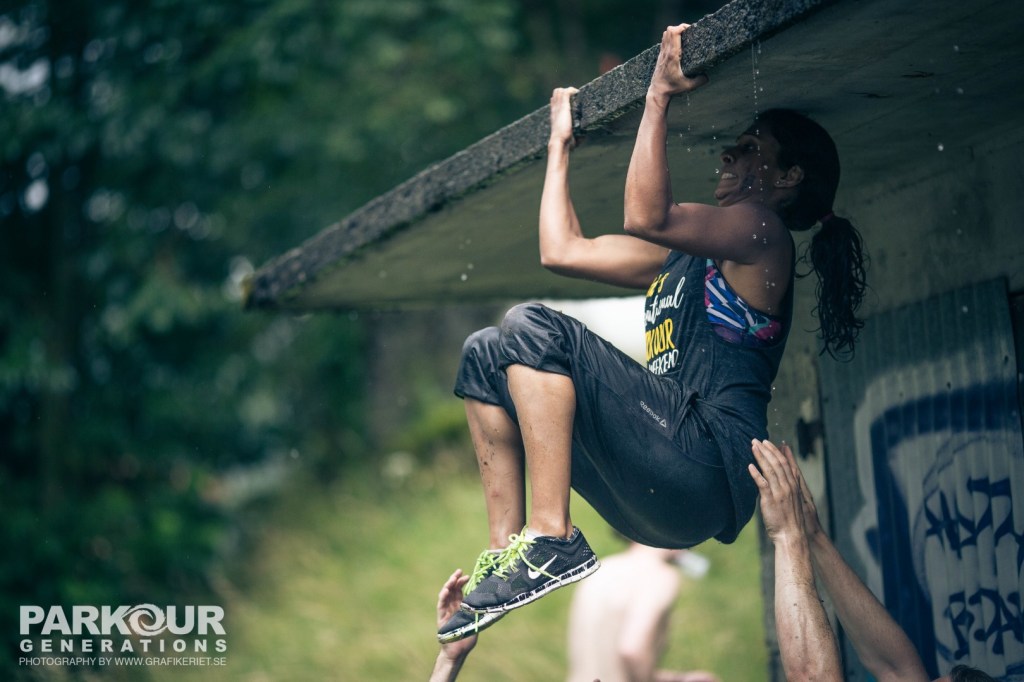
What’s the cardinal principle of all training? The single most fundamental element of making progress in any field of personal development. Consistency. If you want to get good at something, consistent practice is the only way. Yes, progress happens at different rates for different people for a multitude of reasons; you can always train smarter and refine…
-
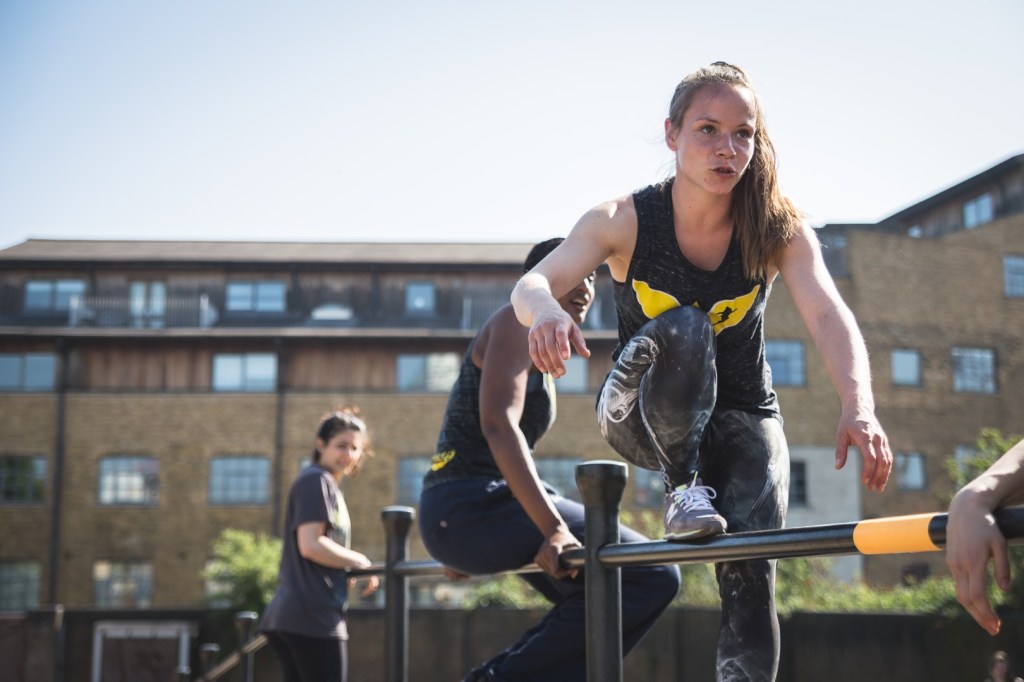
It is important to remember that not always is your own mind your friend. In fact, the mind is the most slippery of opponents, and the most cunning, and the most persistent. It will use every trick in the book to encourage you to give up the fight. It knows you better than anyone; your…
-
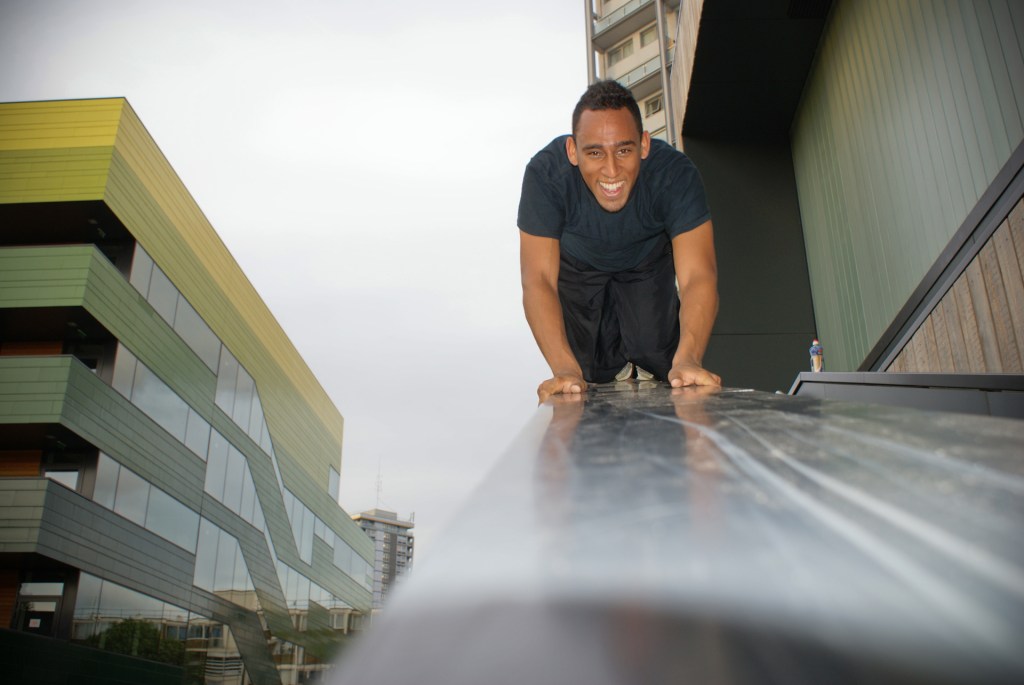
Play will help refresh your mental processes, giving your mind a much-needed break from daily routines that can become all too monotonous and repetitive, slowly eating away at your resolve and enthusiasm for life.
 Dan Edwardes