Philosophy
-
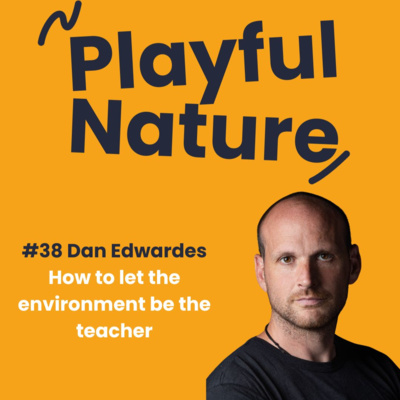
Honoured and very pleased to be invited back on to the Playful Nature Podcast hosted by the excellent Andrew Telfer of @wearewildstrong. This time we discussed the tension between the wild nature of parkour (and movement in general) and society’s need to quantify and codify it for inclusion in an established sporting fabric, leading to…
-
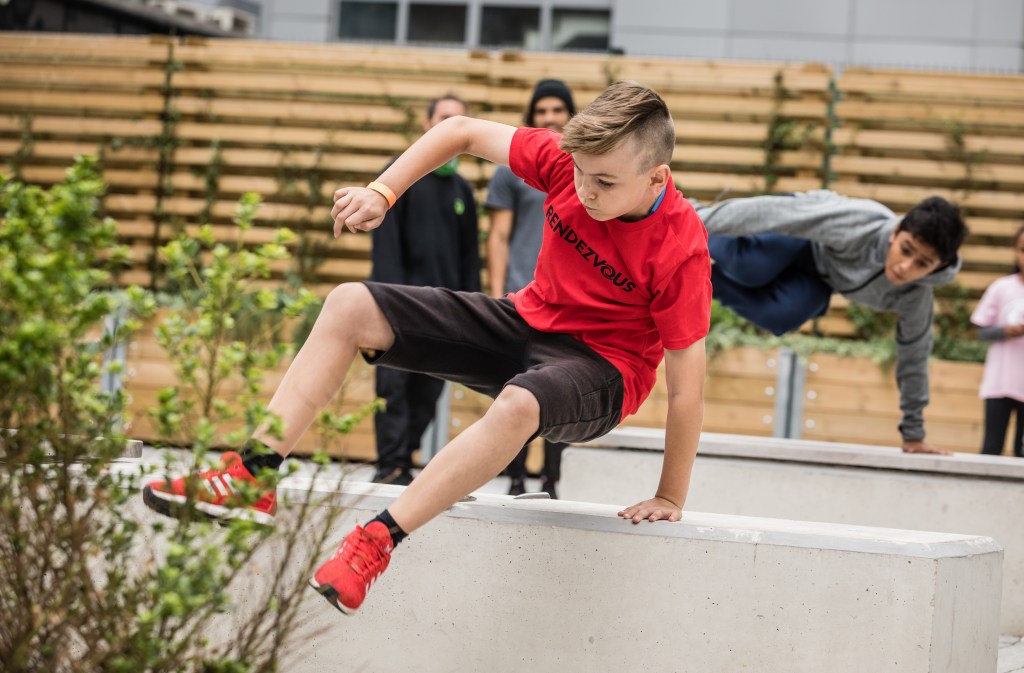
It’s important to understand that the deficiencies every PE teacher now sees in their young students is not the fault of the children themselves: it’s the fault of the adults who took away the environment these children required for healthy development. We have sabotaged the natural childhood of an entire generation.
-
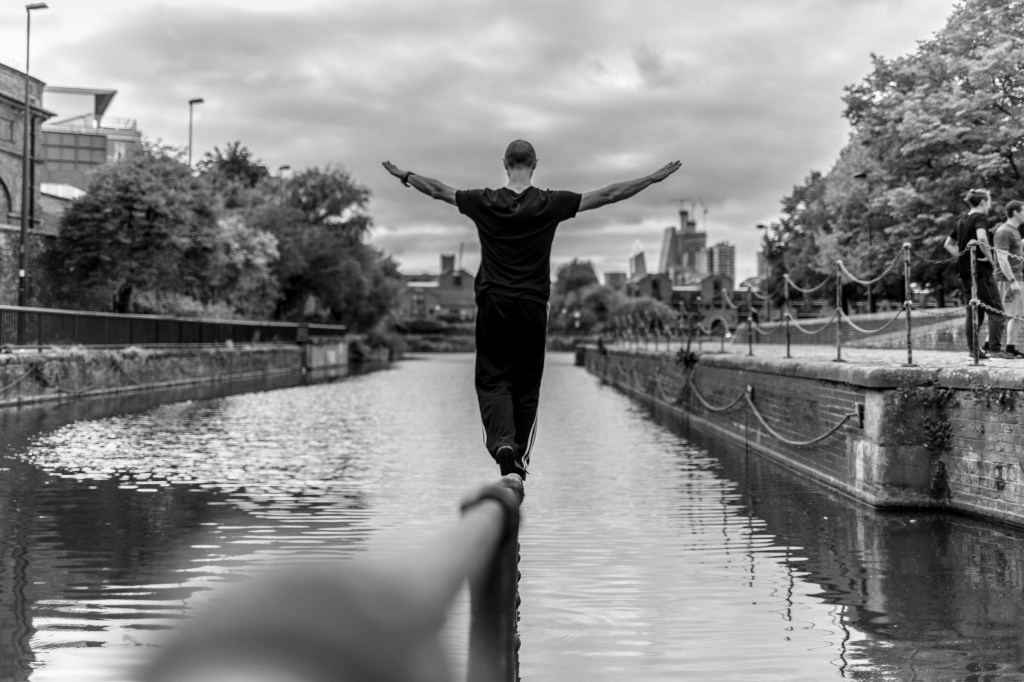
In parkour, adaptability is not an advanced skill to be layered on later. It is the foundation. Movement that cannot survive variation is not yet robust. Variable practice exposes weaknesses early, when they can still be addressed, rather than allowing them to remain hidden behind repetition.
-
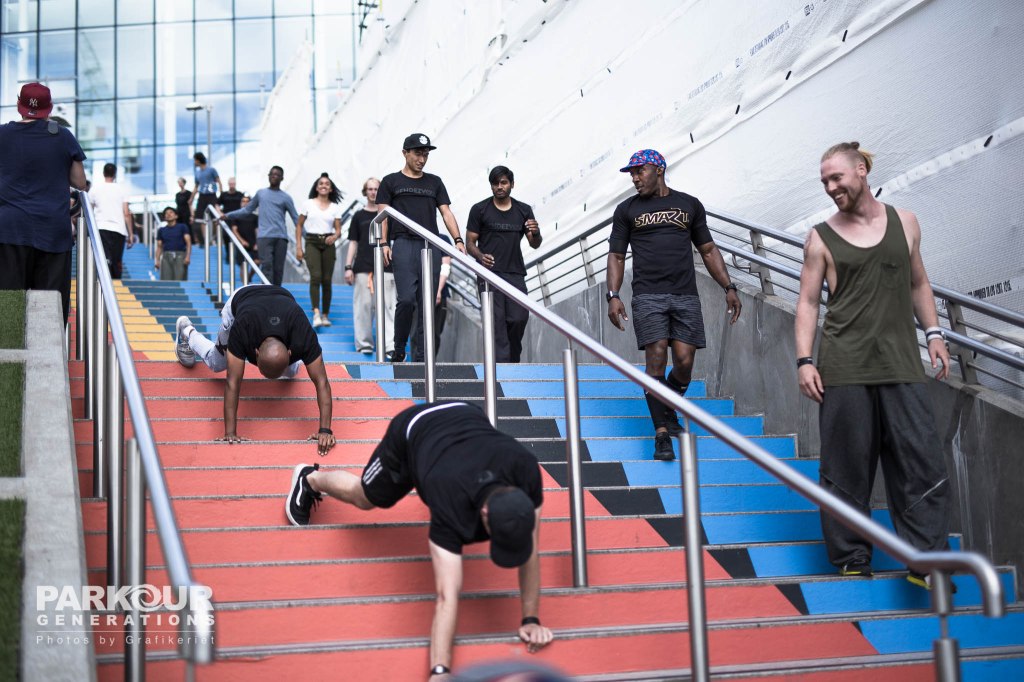
In the early days we had a basic rule in training – if there is more than one way forward, always take the harder of the two paths. The discipline was never meant to make life easier by avoiding difficulty. It was meant to make people more capable of meeting it.
-
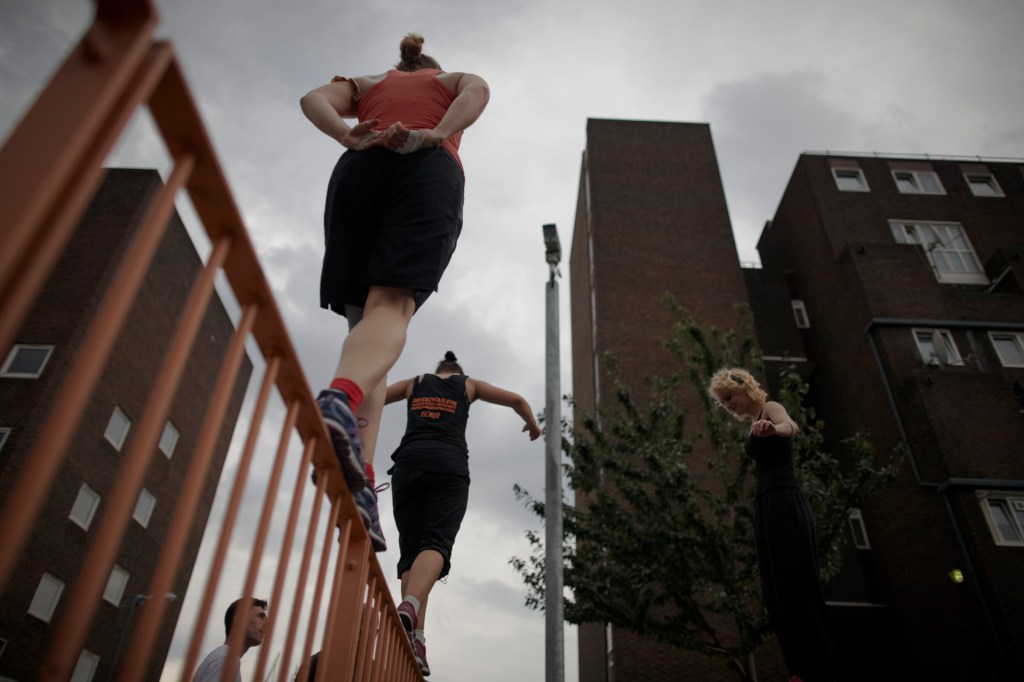
Parkour, when practised primarily outdoors, has such a profound impact beyond movement itself. It teaches people to engage with the world rather than withdraw from it, to see obstacles not as hazards to avoid but as features to understand and negotiate. In this sense, parkour becomes a form of environmental literacy.
-

There is a crisis happening in parkour coaching. It isn’t dramatic. It isn’t dangerous. It isn’t even intentional. It’s quiet, almost imperceptible. Slow, steady, and—if we’re not careful—irreversible…
-
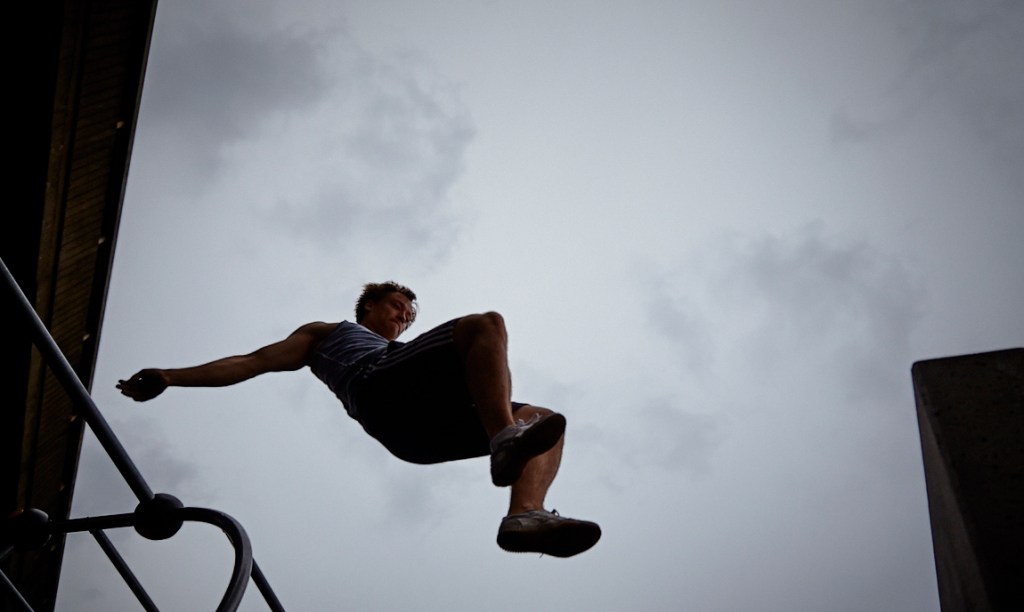
Today, parkour is more visible than ever. It is shared, edited, competed, branded, and consumed. None of these things are inherently wrong. But they do raise an essential question that every practitioner must eventually confront: Why do you train?
-
The function of the human body and the brain is to move over variable terrain and to adapt to your environment.
-
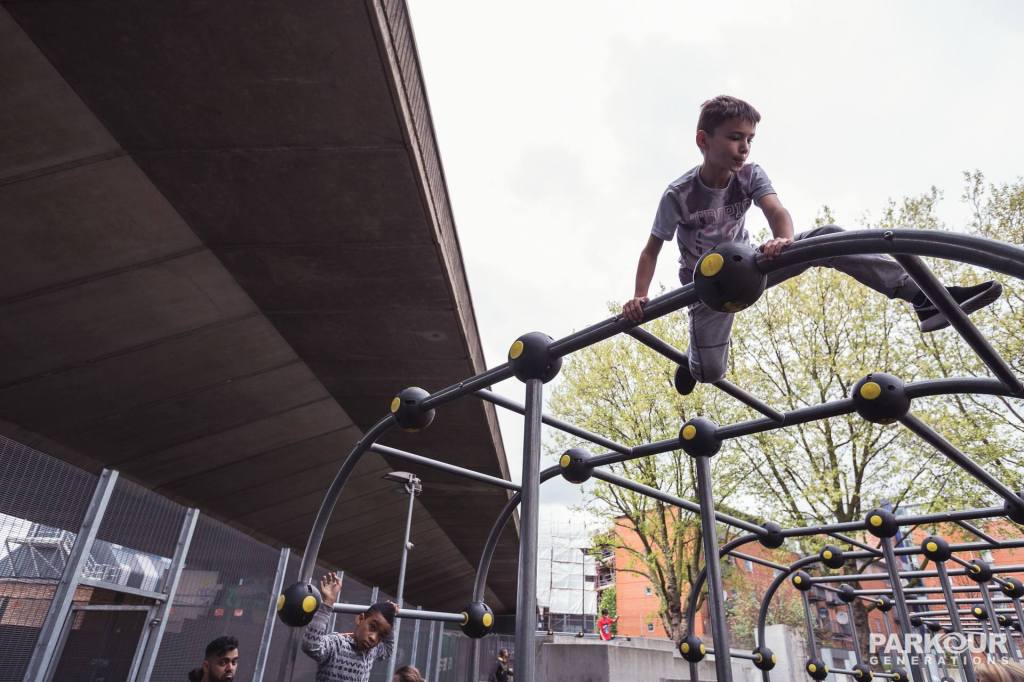
Why the modern focus on safety at all costs is lowering our competence, confidence and capabilities while also making us less safe overall. We all know that well-worn adage, ‘safety first’. A seemingly innocuous and perfectly reasonable phrase, reminding us to consider the risks and think about what safeguards might be a good idea within…
-
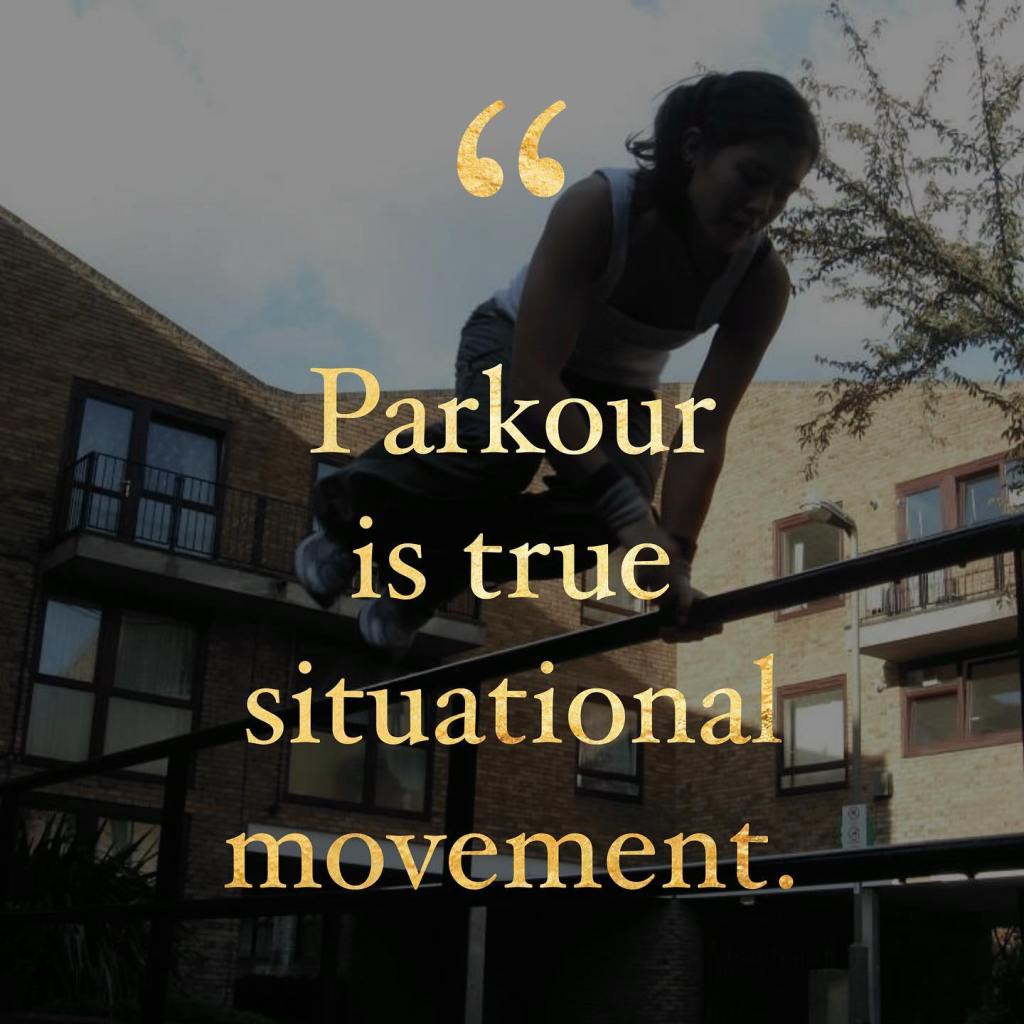
Parkour is true situational movement. It’s great to see so many movement enthusiasts and teachers discovering the power and effectiveness of parkour as a training discipline, something we as practitioners have known for decades. It’s common these days to see movement teachers learning to take their balance skills to railings, or applying their pulling strength…
-
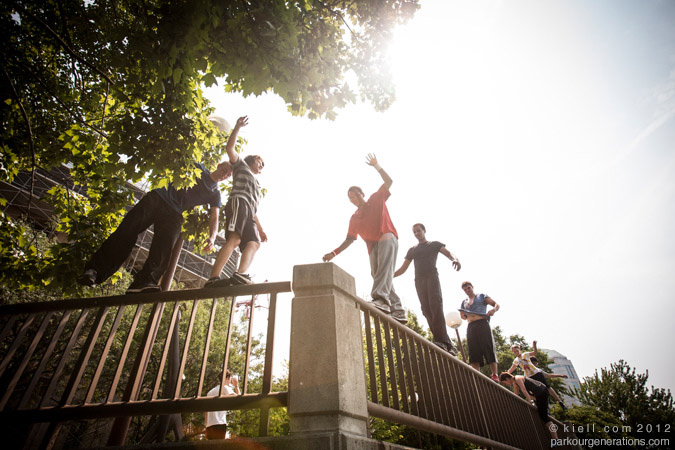
Stretching yourself is vital. Not the yoga kind, though – here I’m referring to stretching your abilities in movement and training: asking more of your body and mind so that you find new levels of performance and achievement and reach your true potential. If you aren’t stretching yourself in your practice, whatever it is, you’re…
-
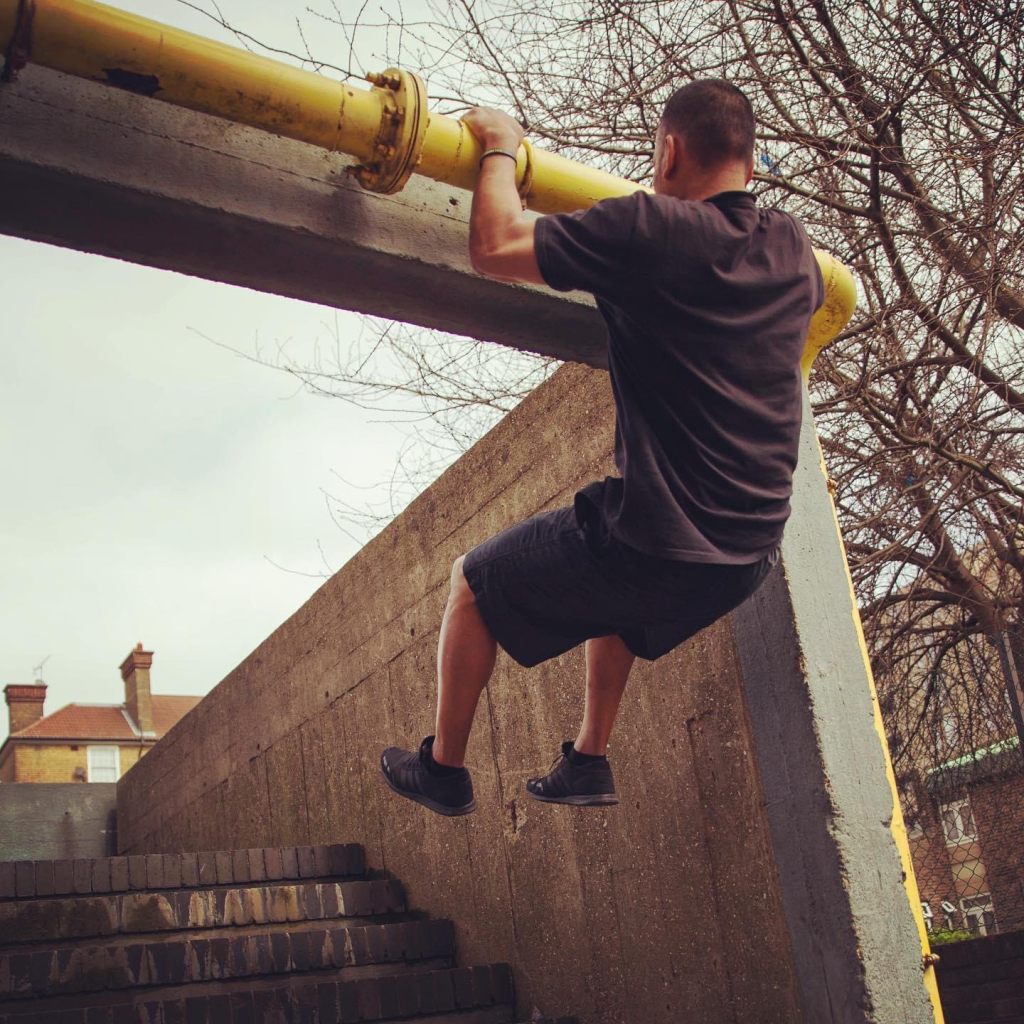
Complex movement is not just a physical exercise, but a cognitive one – as we run, jump, vault and climb through an unprepared environment we are also taxing our brain’s motor control, memory, spatial awareness and executive functioning. This is why a combination of simultaneous physical and mental work improves neural responses and brain health,…
-
Assuming you are wrong, about everything, is a highly effective way to ensure constant learning and continual improvement.
-
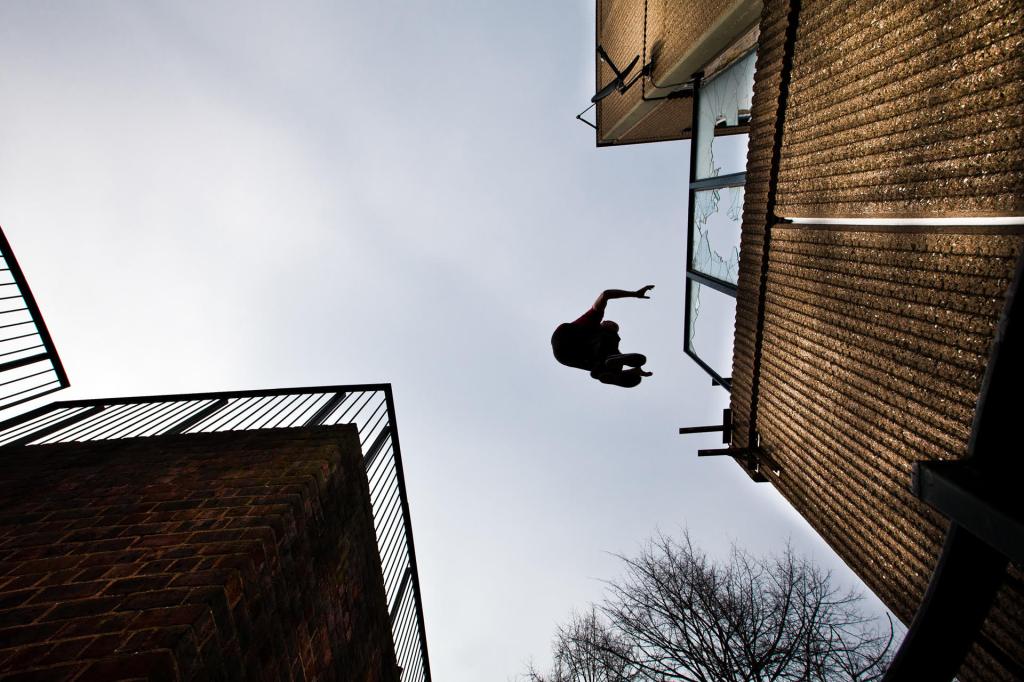
There’s a moment in every jump we take in parkour, a point of no return when we decide to commit and trust our ability, training and experience to see us safely to the other side…
-
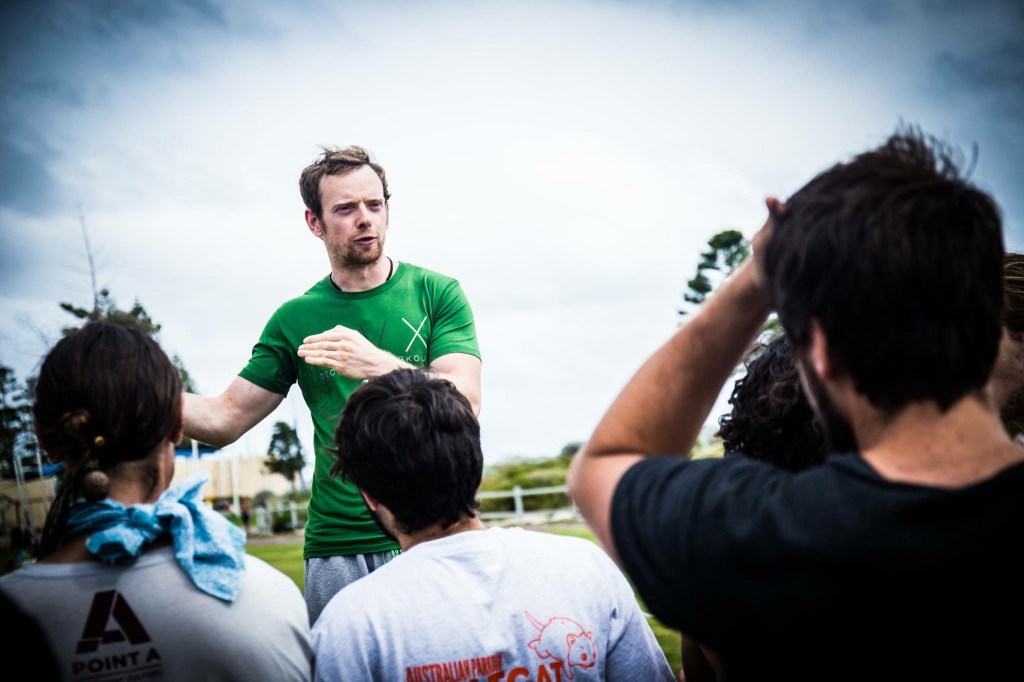
One of the topics we focus on in our education programme, ADAPT, is the importance of analysing and developing your own philosophy of coaching. Coaching is more than just passing on knowledge and information, and it’s far more than just facilitating training sessions or activating participants. Coaching is a high-level human interaction skill, and as…
 Dan Edwardes