Parkour
-
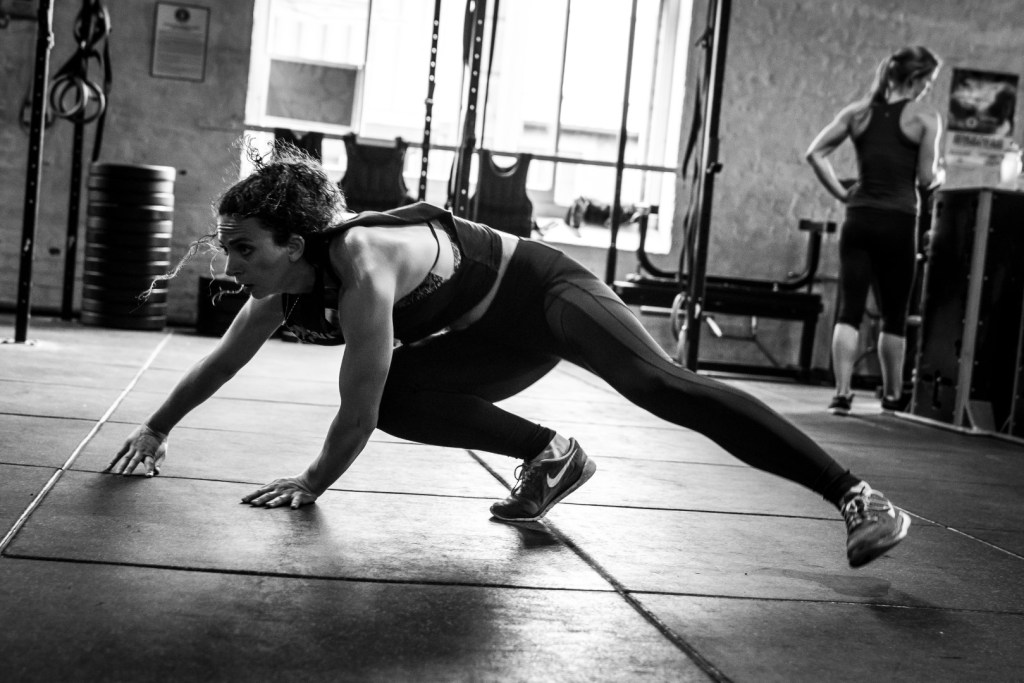
The floor is a hard, unforgiving taskmaster. But the floor never hits you – you hit the floor: so learn to control the contact and it will soften dramatically.
-
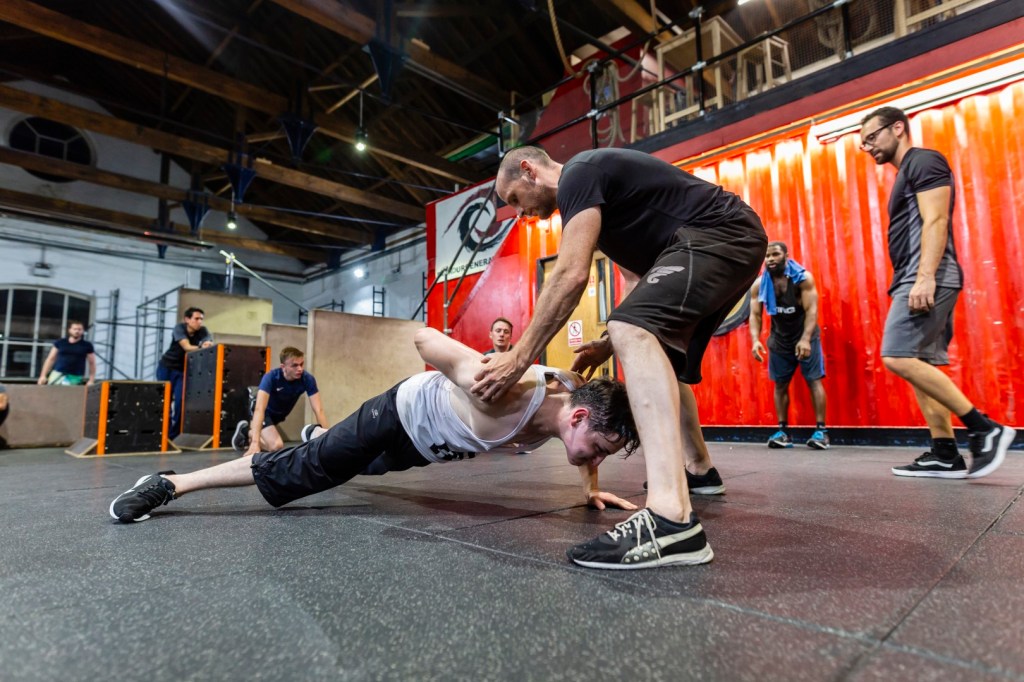
The best training programmes must be tailored for the recipient, and the best coaches will make sure this happens…
-
An absolute unexpected honour to be featured in the Independent and Lucozade Sport’s Top Ten ‘Mover’s List’ for individuals making a contribution to getting the UK population active and moving.
-
Is your own training defeating you? Growing up in the martial arts, I encountered so many teachers who were broken. Worn out joints, damaged tissue, traumatic injuries, chronic pain – most of them were unable to perform or demonstrate their art properly anymore, yet they were held up as shining examples of their disciplines. Many,…
-
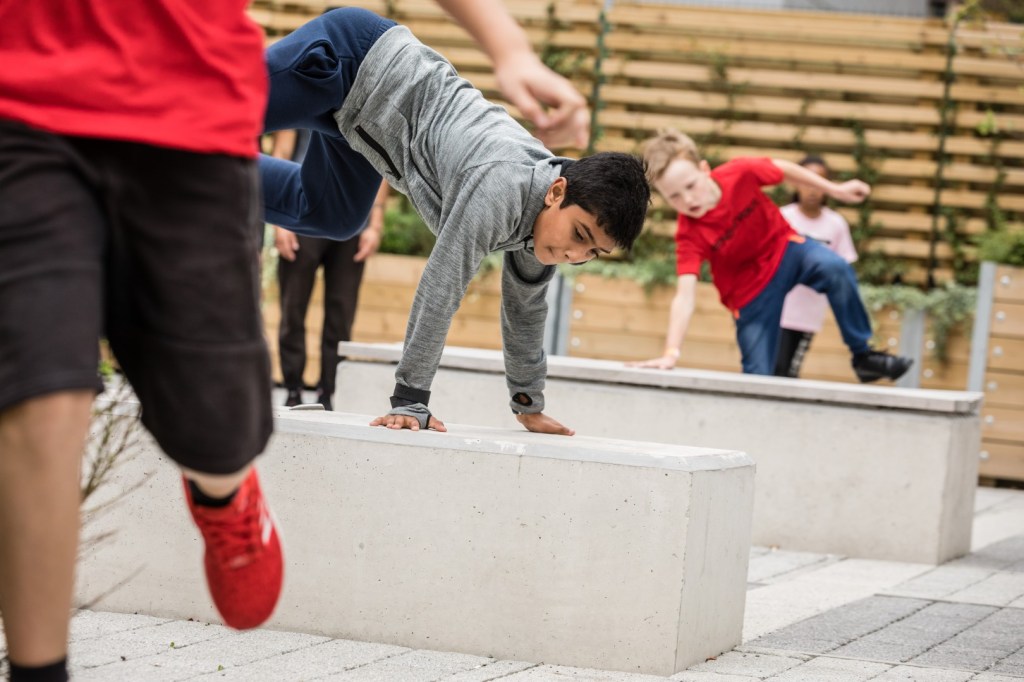
Had a great chat with Michael Boll of 21st Century Learning about why parkour is the perfect antidote to inactivity and disengagement with physical education amongst young people in the modern world. Check it out: https://21clradio.com/parkour-pioneer-dan-edwardes-bring-the-physicality-and-spirit-of-parkour-to-school-classrooms-education-vanguard-77/?fbclid=IwAR2yswzkH8nmd2U8ilA96RUBcSmfrp_RX85ow15GdAEkH8Xx-Z9t53qTMtA
-
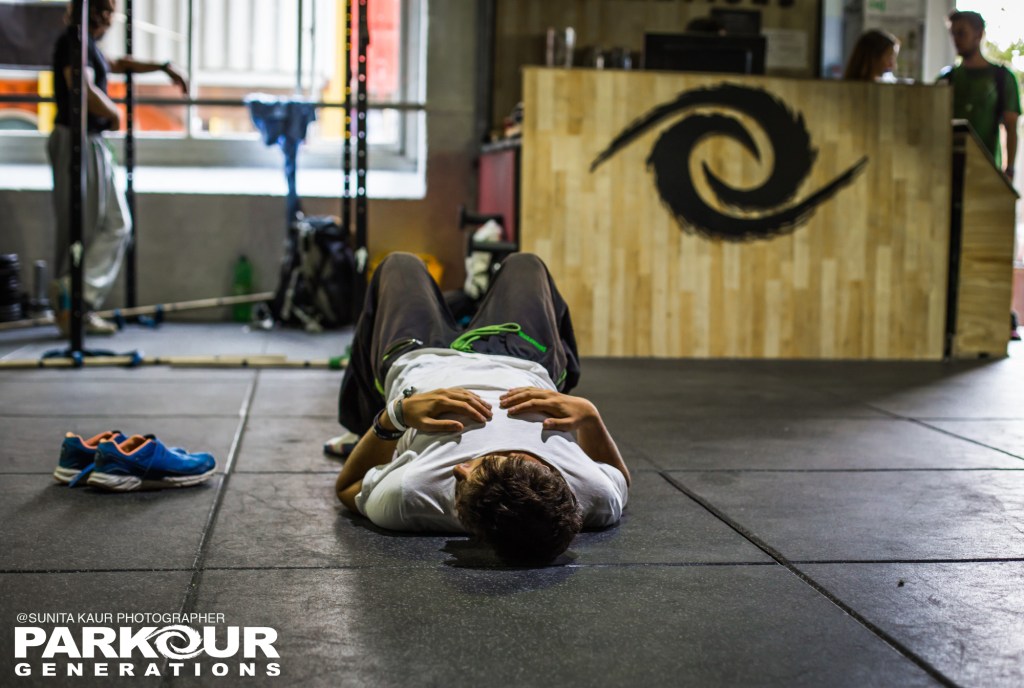
There is nothing either good or bad, but thinking makes it so – Hamlet, William Shakespeare If you’re naive enough to believe you can get the best out of your body (and, therefore, your life) without the risk of injury at some stage, you’re living in a fantasy. Either that or you’re happy to settle…
-
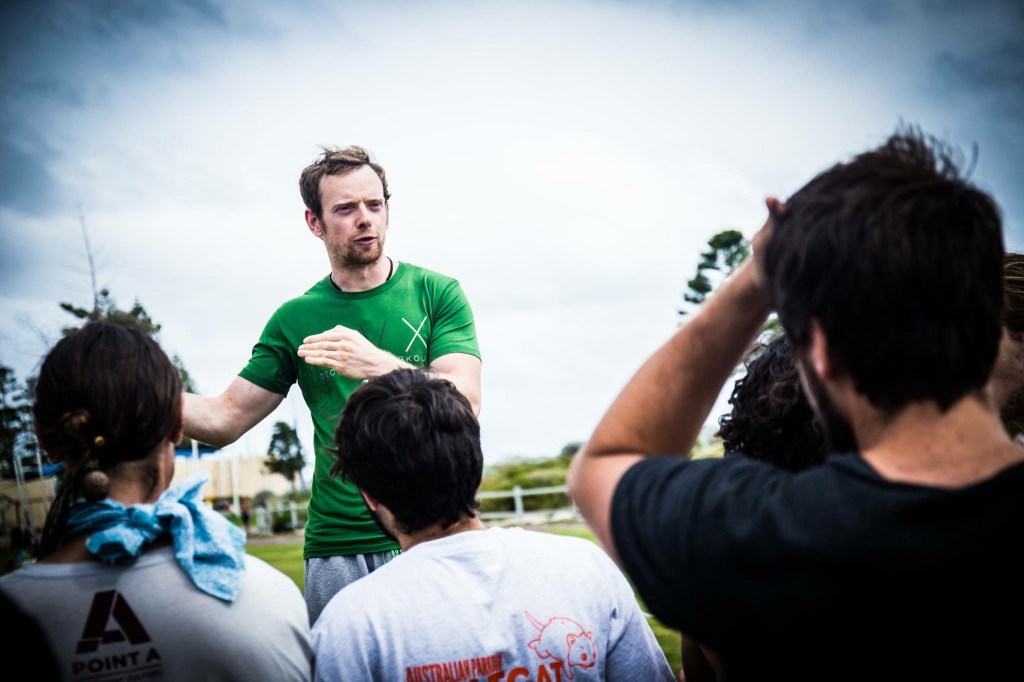
One of the topics we focus on in our education programme, ADAPT, is the importance of analysing and developing your own philosophy of coaching. Coaching is more than just passing on knowledge and information, and it’s far more than just facilitating training sessions or activating participants. Coaching is a high-level human interaction skill, and as…
-
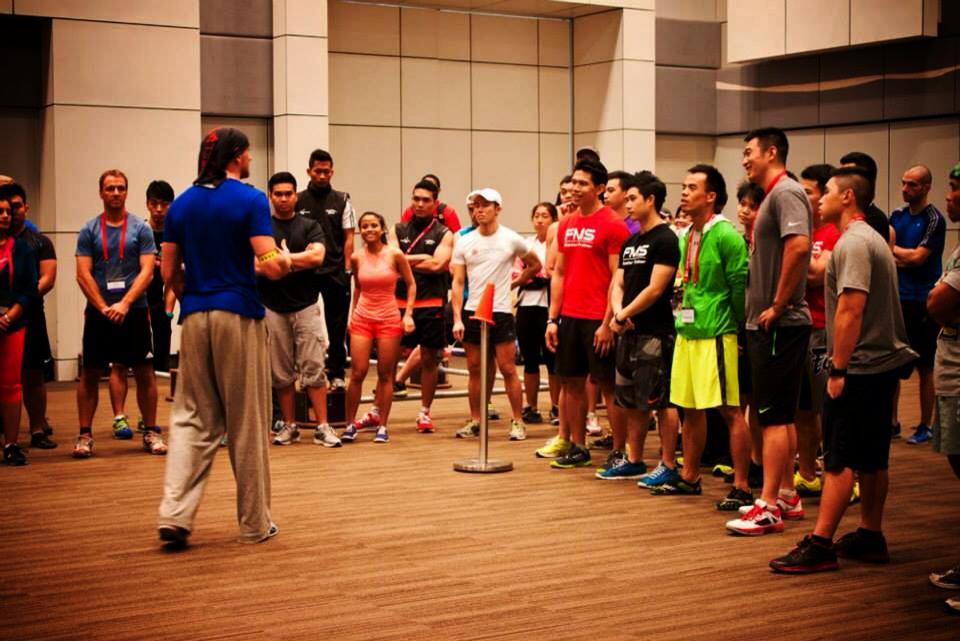
CUE-JUTSU #6 When it comes to cueing for coaching movement you’ve got to get it right. And there’s a lot to get right! I’ll always teach new coaches the C6 rule – and ask them to check their cueing against these 6 simple standards. So when cueing, ask yourself the following six simple questions…
-
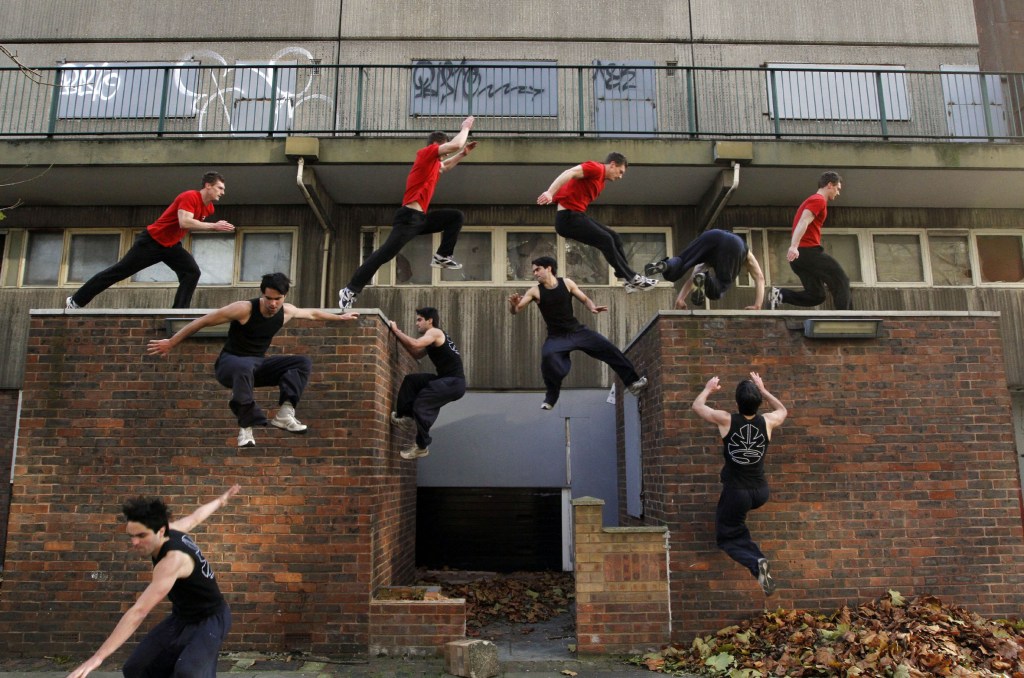
Arguably the most important element of training for any discipline, goal or task is to be able to carry out the requisite movements with as much efficiency and as little stress on the body as possible. This is known as biomechanical fitness and is the ability of your entire system (bones, fascia, ligaments, tendons, muscles)…
-
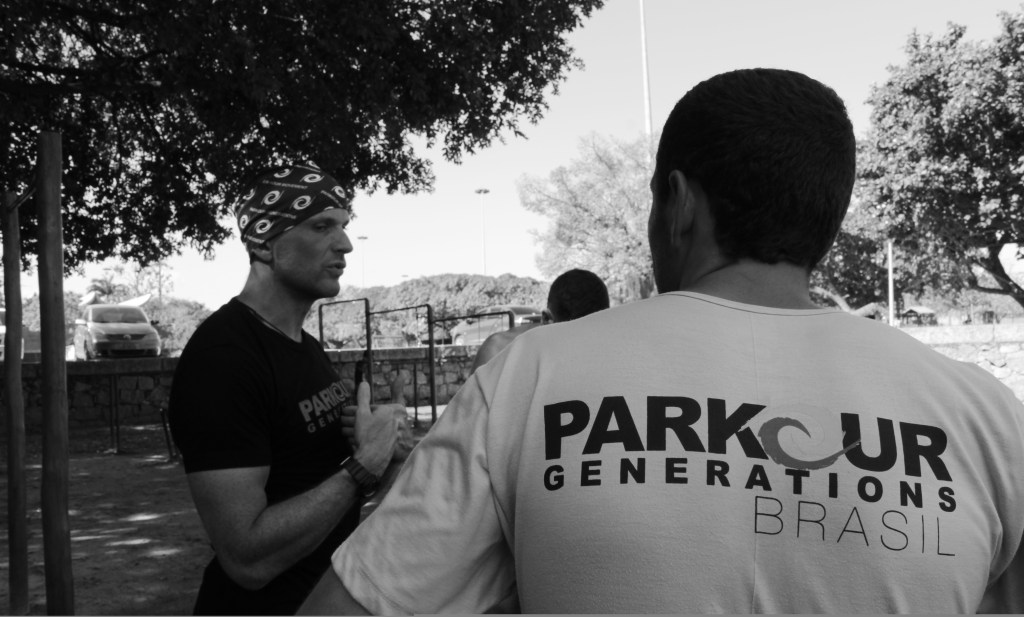
The very best coaches understand this simple truth: what you say and how you say it matters. A lot. Good cueing can get fast, accurate, desired results for both you and your learners. Bad cueing can confuse, impede learning, and waste time – for both you and your learners. Here are just six starting points…
-

It’s a very cool title isn’t it: Extreme Sports! Often seen with a dropped ‘E’ so you get some form of X-treme or X-awesome or x-whatever, because hey, doesn’t that make it even more hardcore, even more cool, even more rebellious? That’s sticks it to The Man, for sure, right? X’s are just bad-ass! But…
-
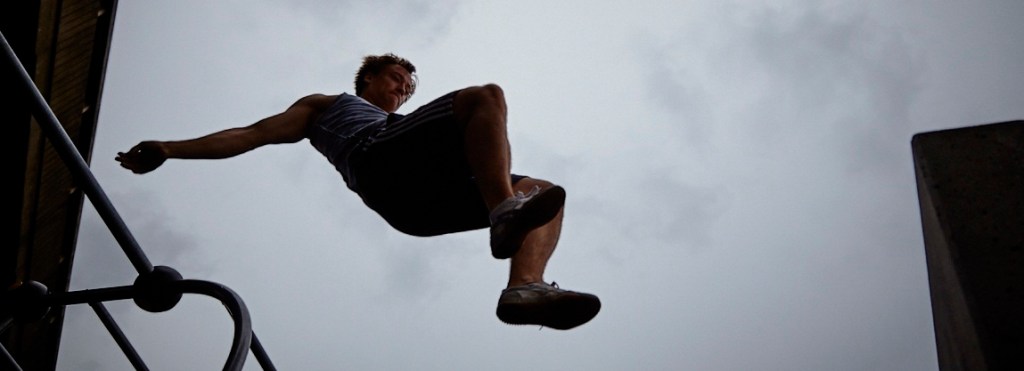
What I have learned over the years of training is that no matter how you evolve your body it really means very little unless you also evolve your mind. We are quick to want to change the body, to strengthen, improve, shape, tone, build… But how easily or often do we attempt to change the…
-
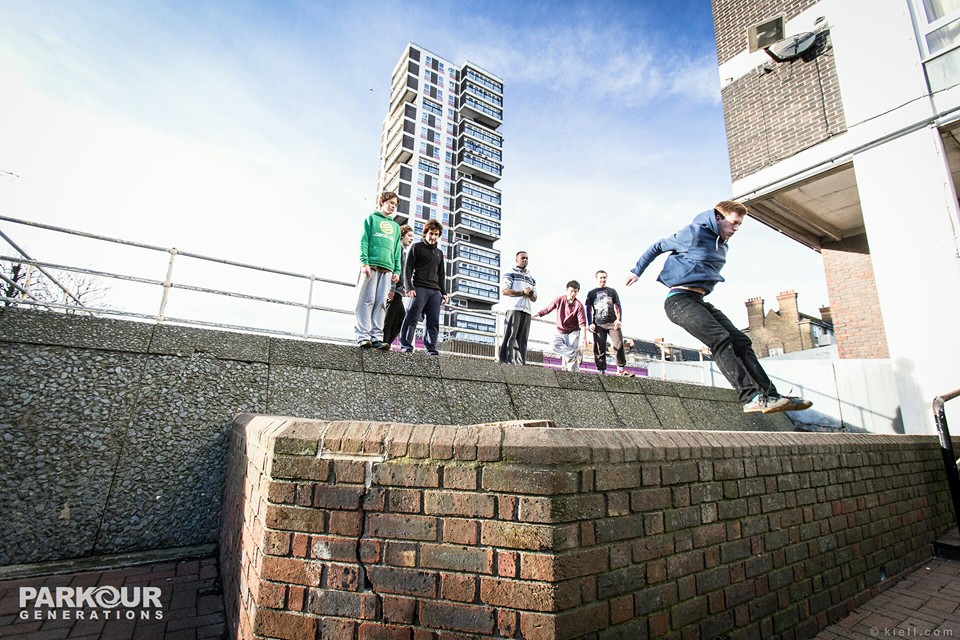
One question I’ve been asked countless times over the years by fitness professionals, physiotherapists, sport scientists and general public alike is how do you (parkour practitioners) not break things, explode joints and generally cripple yourselves taking all those impacts from jumps? And looking through the lens of many recent models of human movement – typically…
-
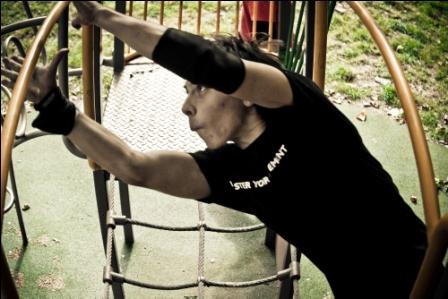
The deconstruction of movement in the fitness industry is rife. I’ve encountered so many ‘experts’ and methods that reduce what are the most natural and holistic aspects of our athleticism in an attempt to identify their component parts and so produce some kind of holy grail for understanding movement, when in actuality all that is…
-
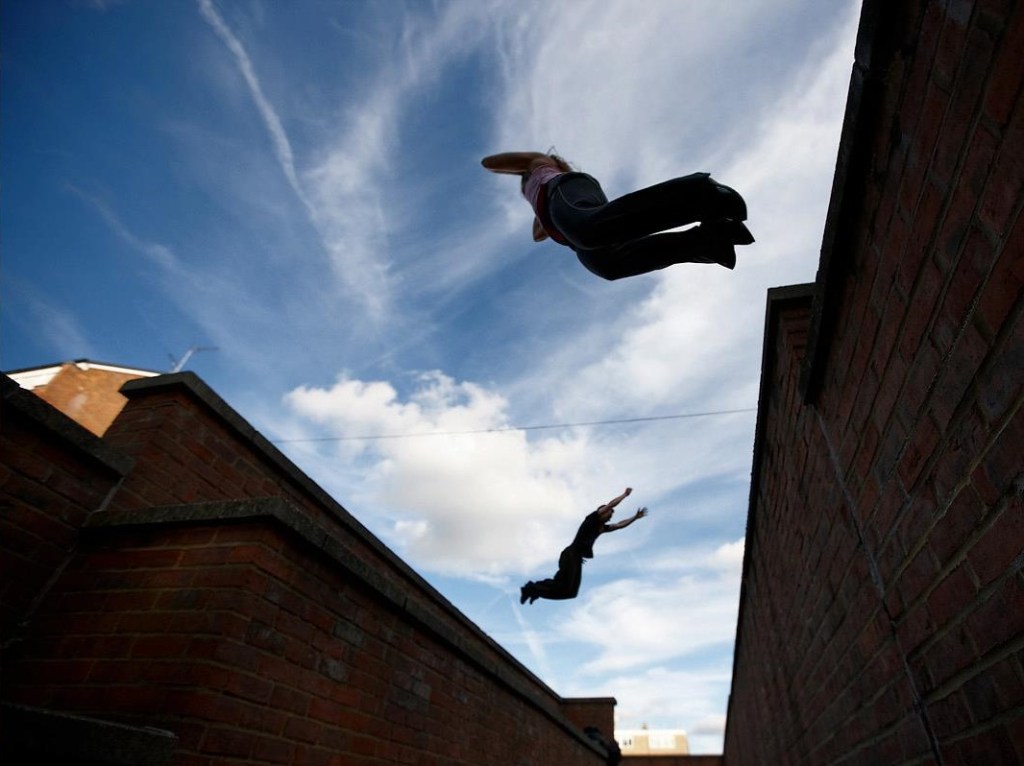
The buzzword ‘functional’ has become so misused that it now means next to nothing, and for effective training I favour practical movement over functional fitness any day of the week.
 Dan Edwardes